Cairu
To exist: what is it destined for?
This is the question the photographer attempts to answer each time he activates the shutter of his camera. In this gesture of making the volatility of light beams permanent, he cheats the temporality of everyday occurrences and of his existence. The past must project itself into an uncertain future, deceiving the lapses of so many presents that escape us between pleasures, disturbances and hollow feelings.
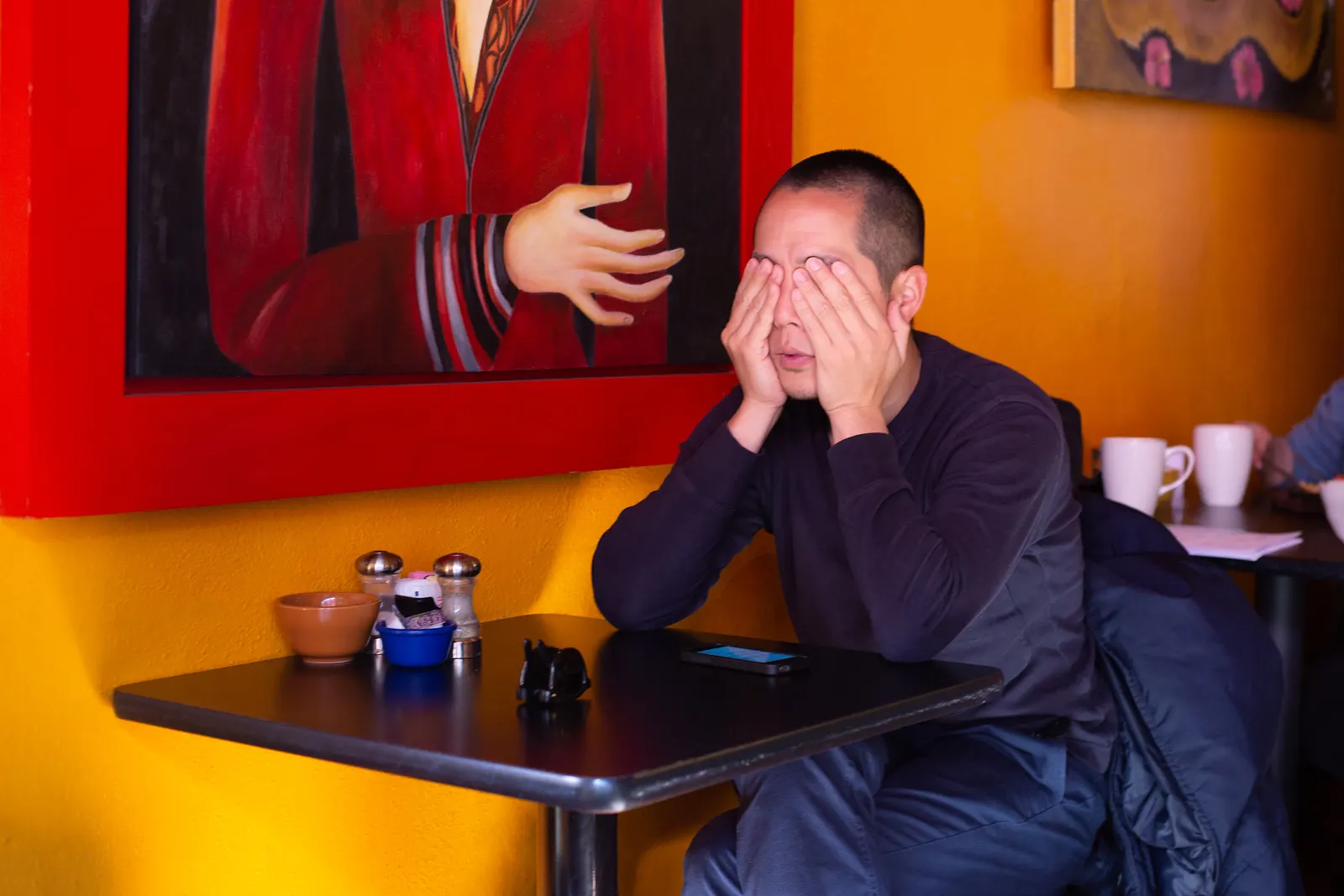
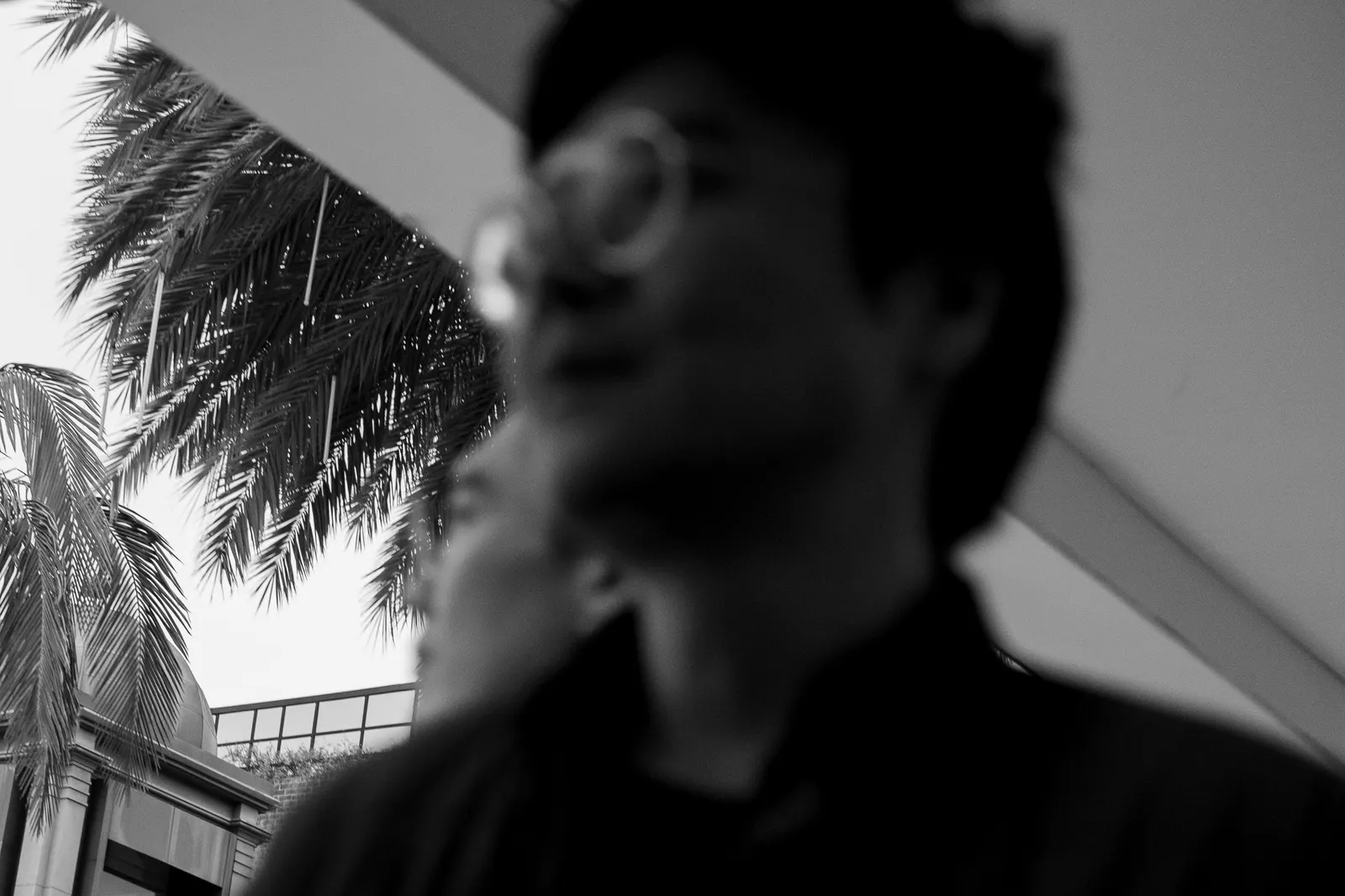
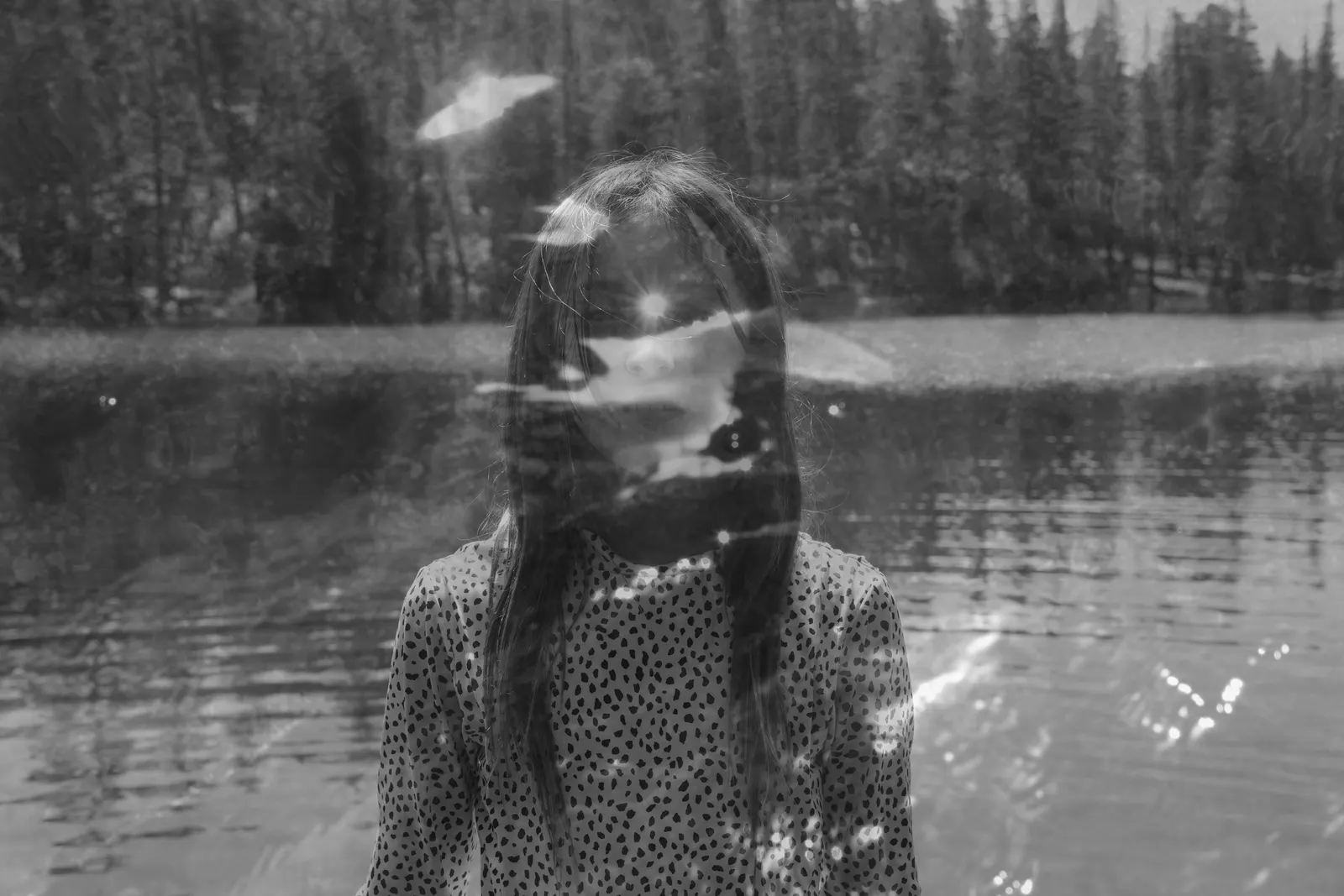
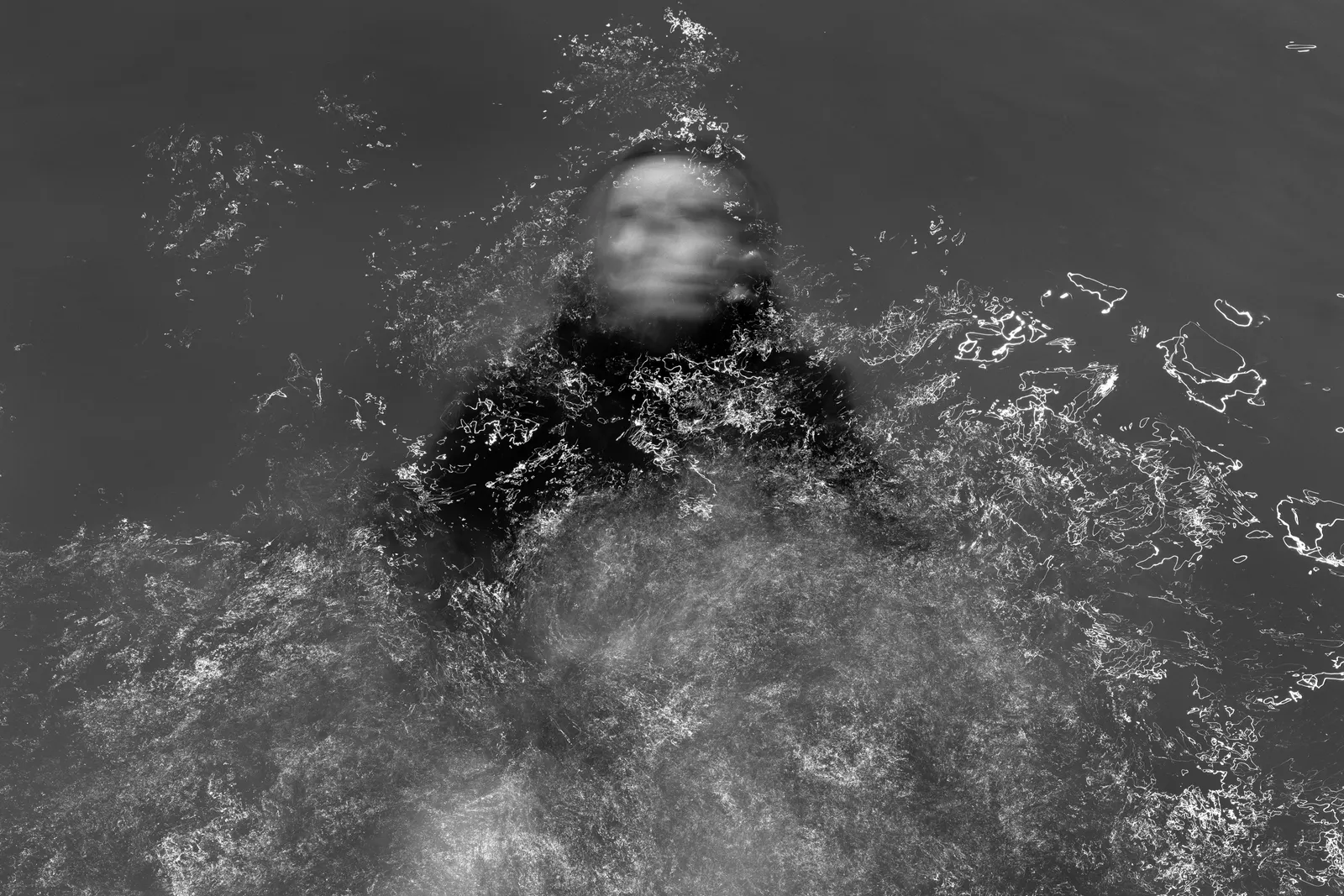
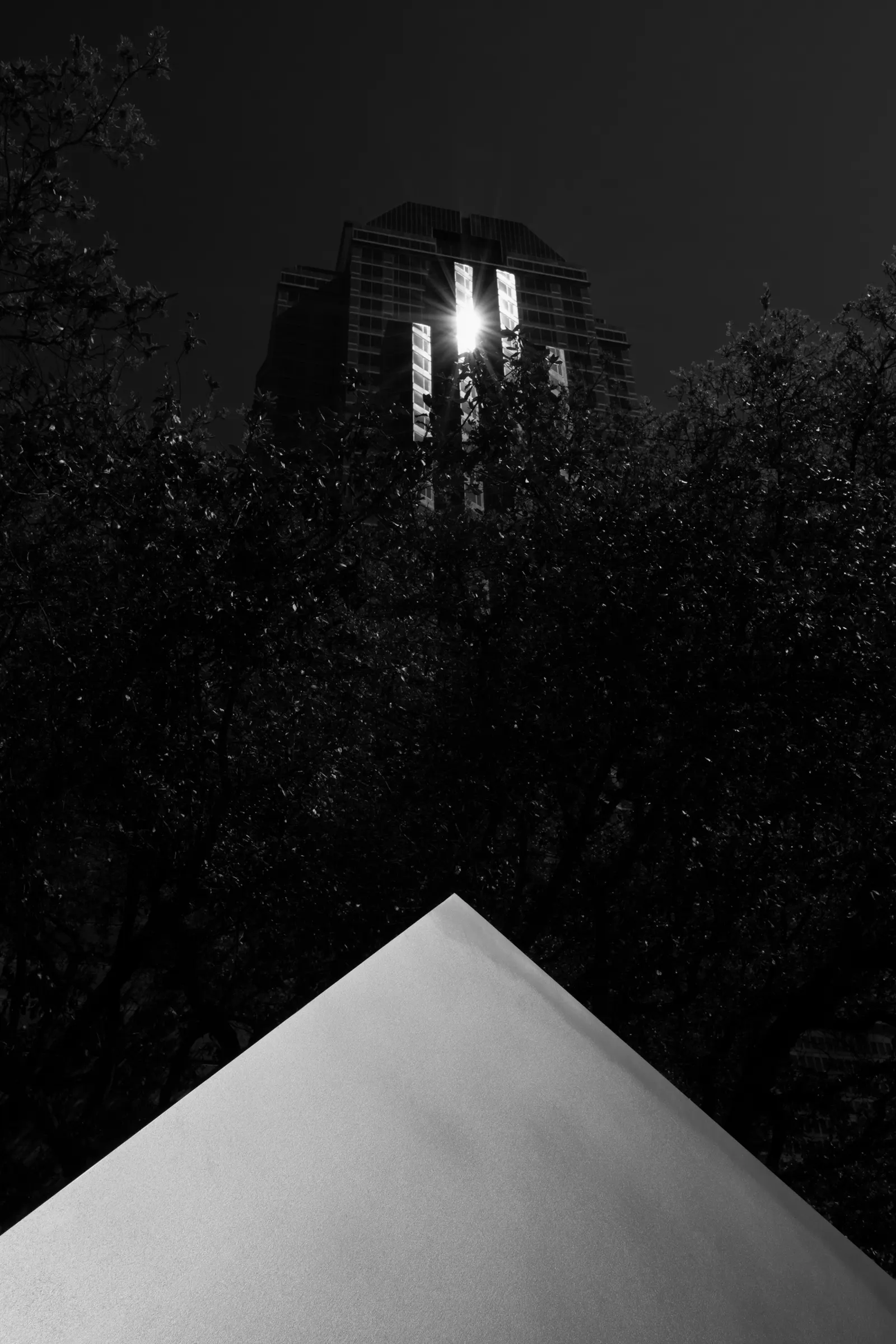
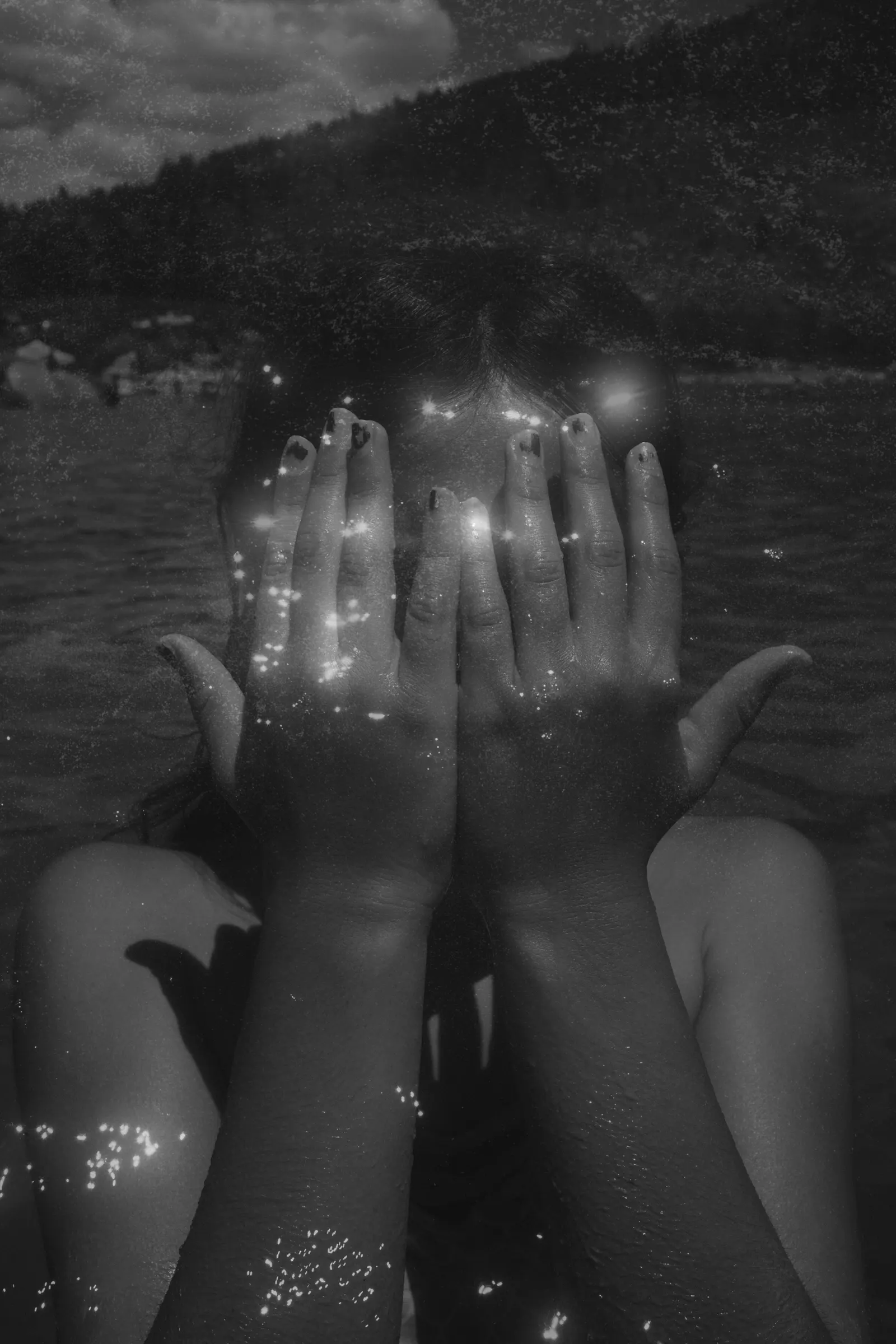
To escape the alienation that our civilization produces, it is necessary to unsee oneself. To unsee until the fragile notion of self is blurred. To transee oneself! To photograph in a meditative state, to seek connections not with what is feasible, but with the unfathomable that shocks and destabilizes the spine of vain certainties. And in this process, intuition, foresight, sounds, tastes, touches, and odors, in synesthetic euphoria, will sculpt idyllic images to illuminate what alienation eclipsed — and which now shows itself as the driving force, that which, in fact, is essential to us.
Amid flashes of clairvoyance, the journey undertaken by Mario Lalau resonates through his artistic and philosophical dialogues with the artist Carolina Krieger and thinkers such as Giorgio Agamben, who, in his work Things I saw, heard, learned…, opens a gap that leads us to a singular time-space:
“What I was looking for was this void, this lacunose contact between complication and ease, exposure and abyss, twilight and splendor, where the secret reveals itself in such limpid clarity that it becomes simple and impenetrable like a children’s riddle or a nursery rhyme.”
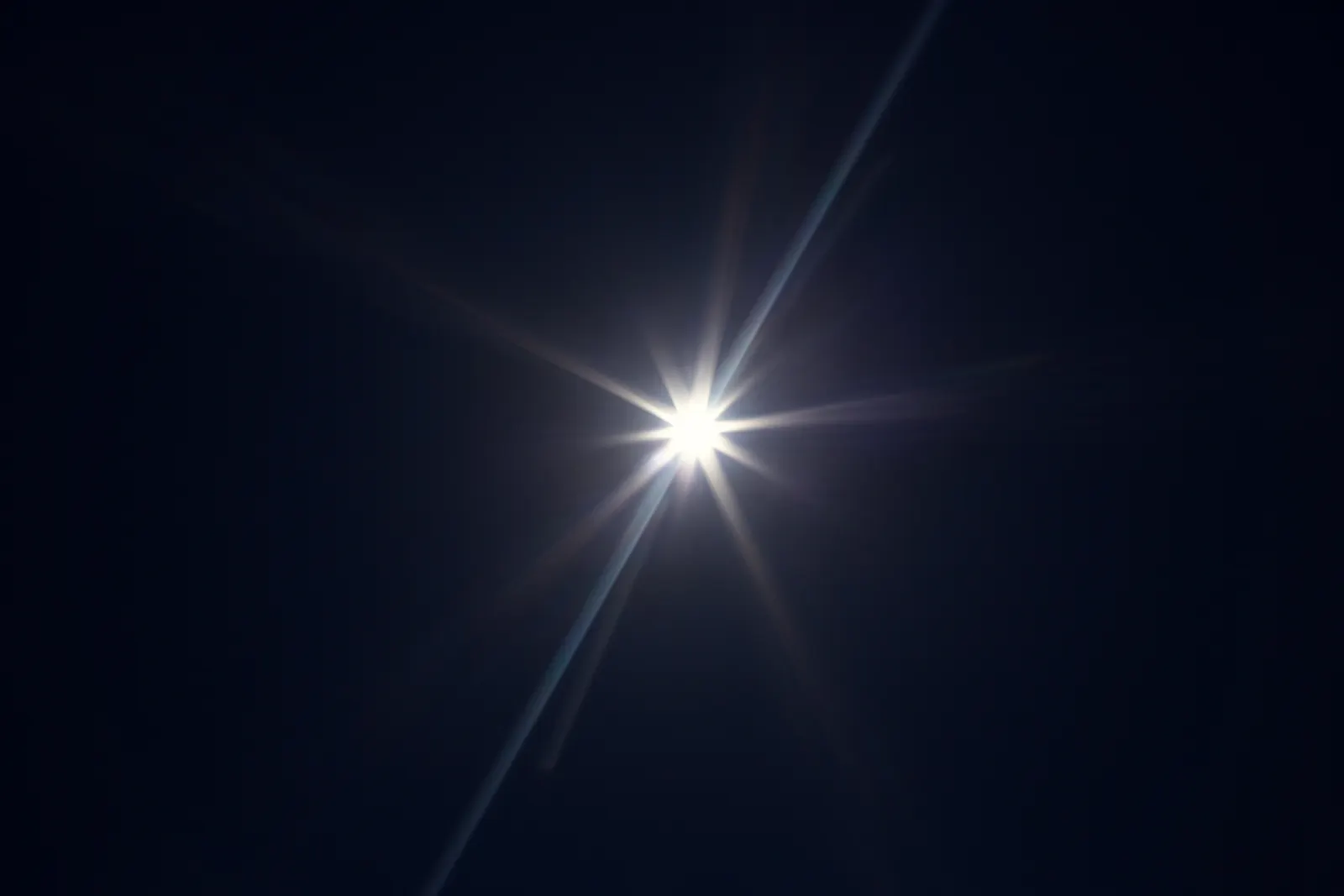
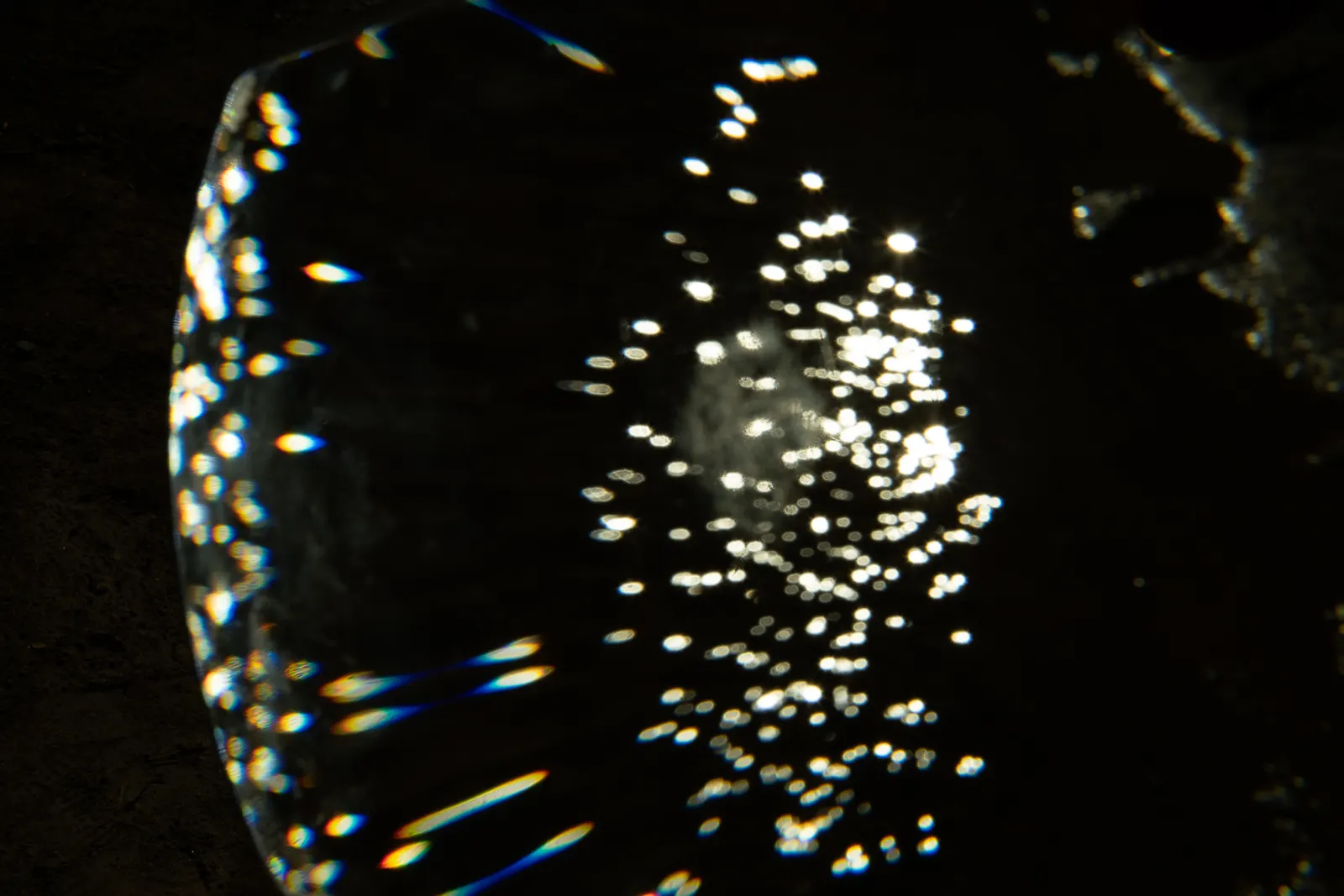
To glimpse this secret that Agamben tells us about, we need to access the Time of Myth. Thus, Mario Lalau found himself tasked with transforming the photographic apparatus — this positivist machine, domesticated to generate the image and likeness of fleeting reality — into a device capable of transeeing apparent reality, to perceive and sculpt the primordial and sacred time of that which is not even visible.
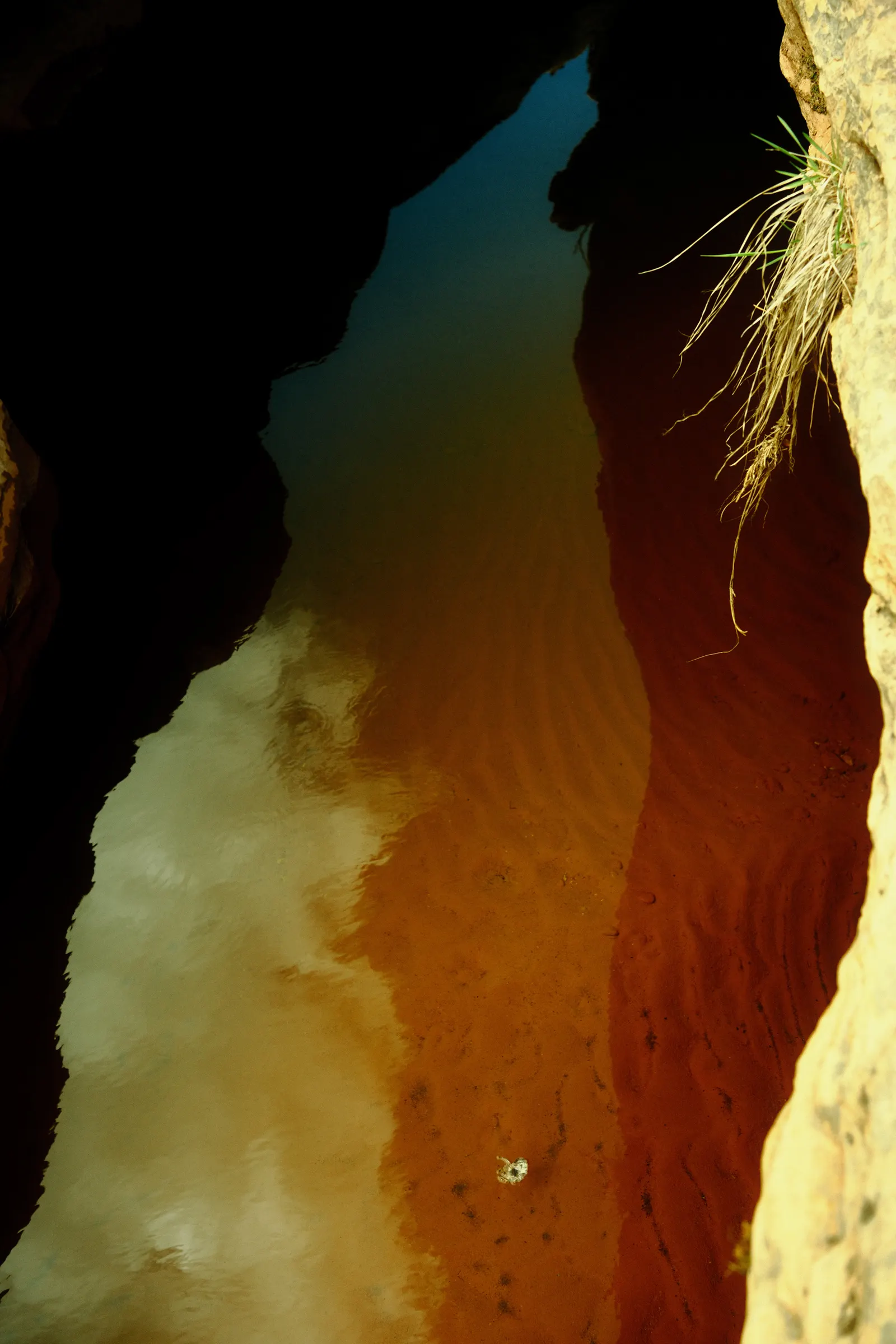
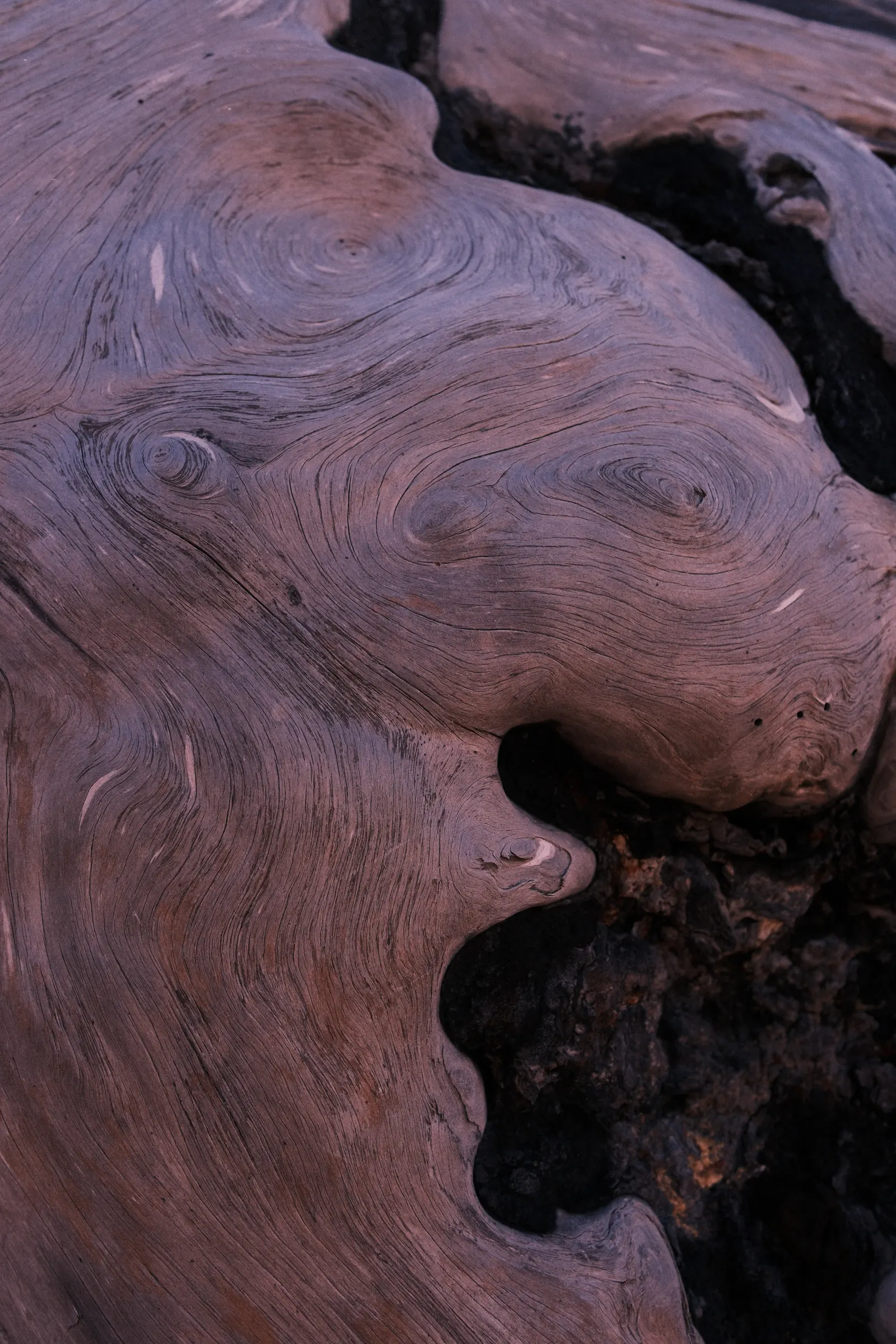
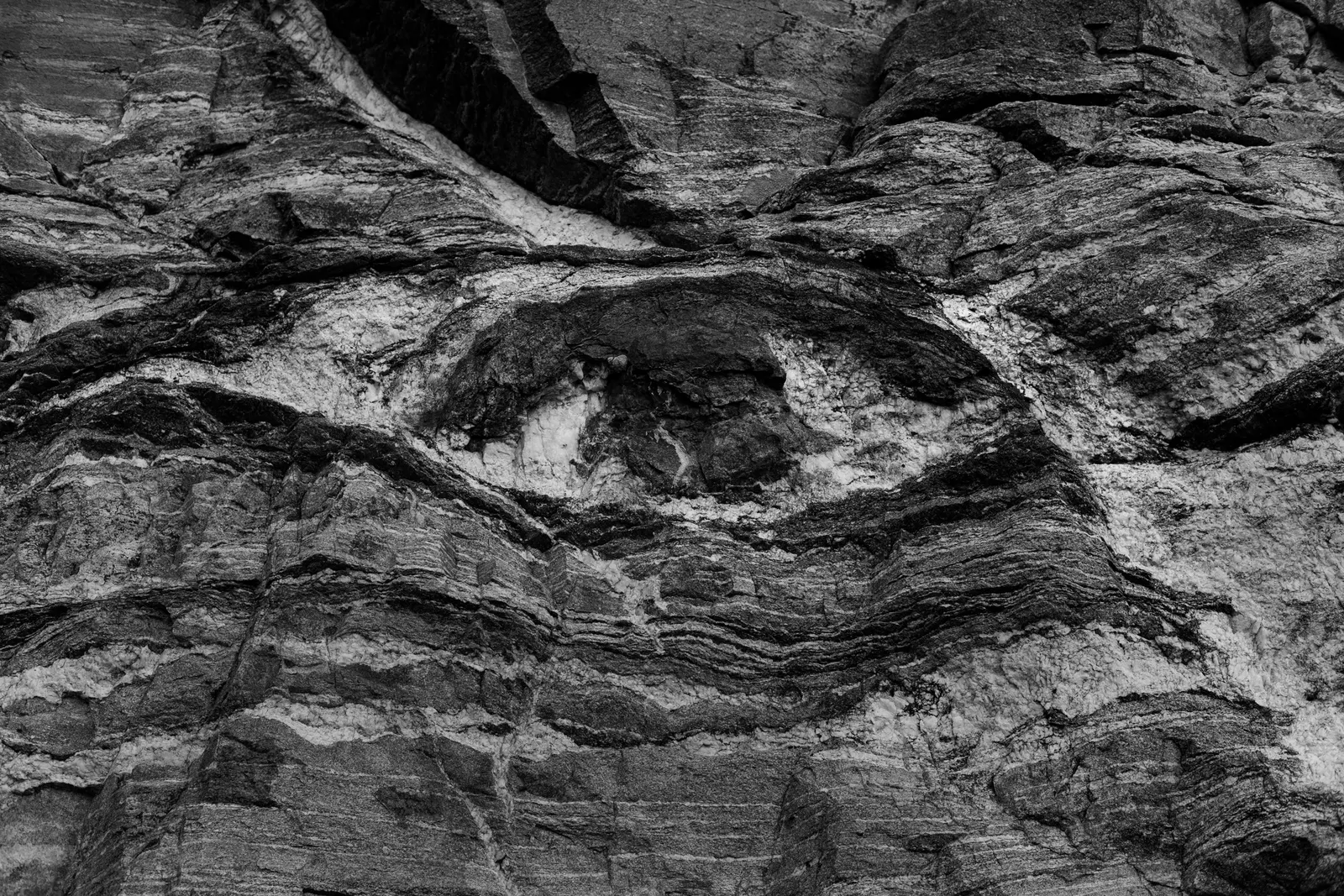
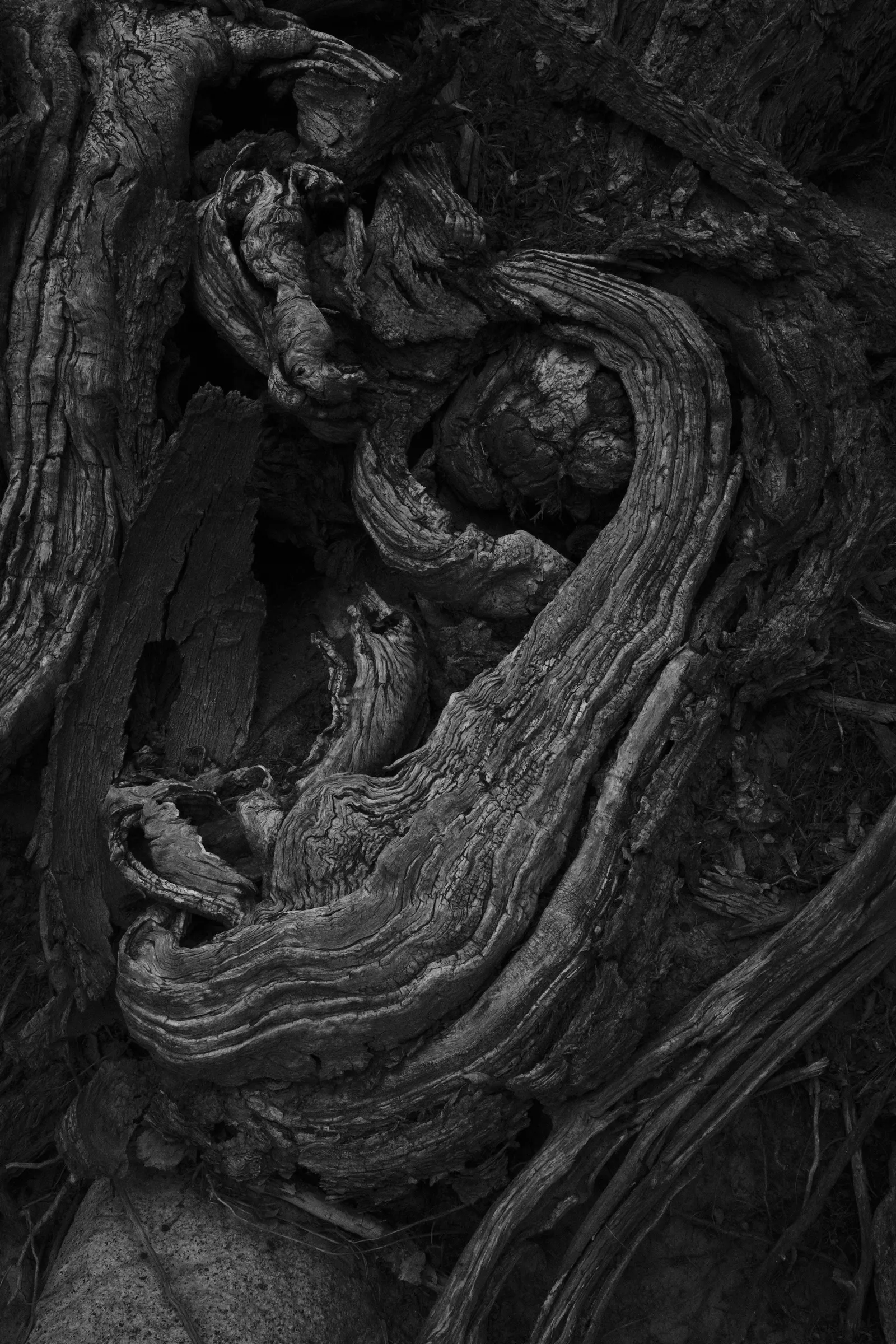
It was necessary to create a new lexicon to reach a new and improbable limit of interaction with the photographic language, through attentive observation of the mineral, plant and animal realms, as well as spasms of light in the intercurrences of day and night. It was like relearning the language with children who spell the first letters while swinging from the tree, in the poetic words of the writer Isadora Krieger.
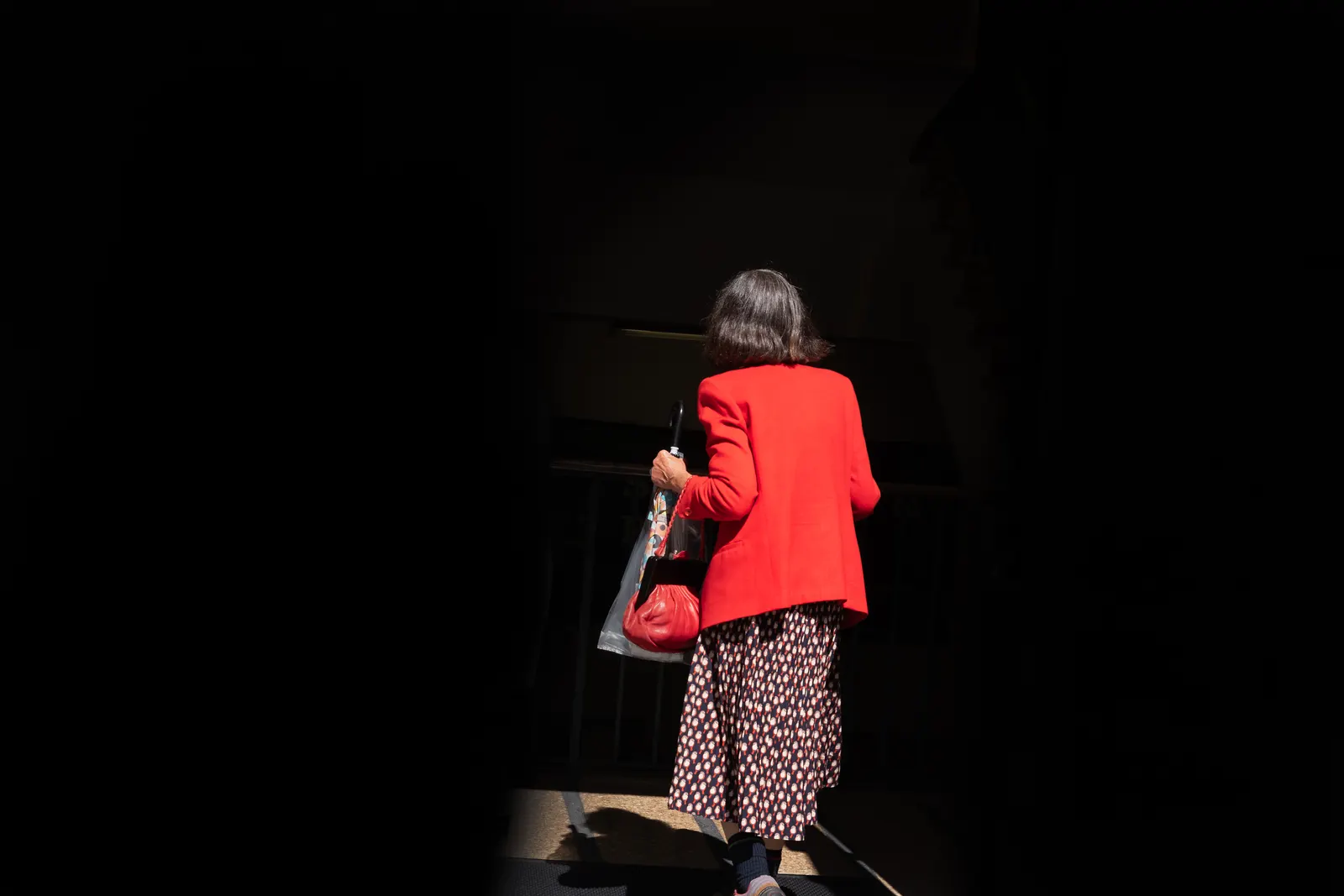
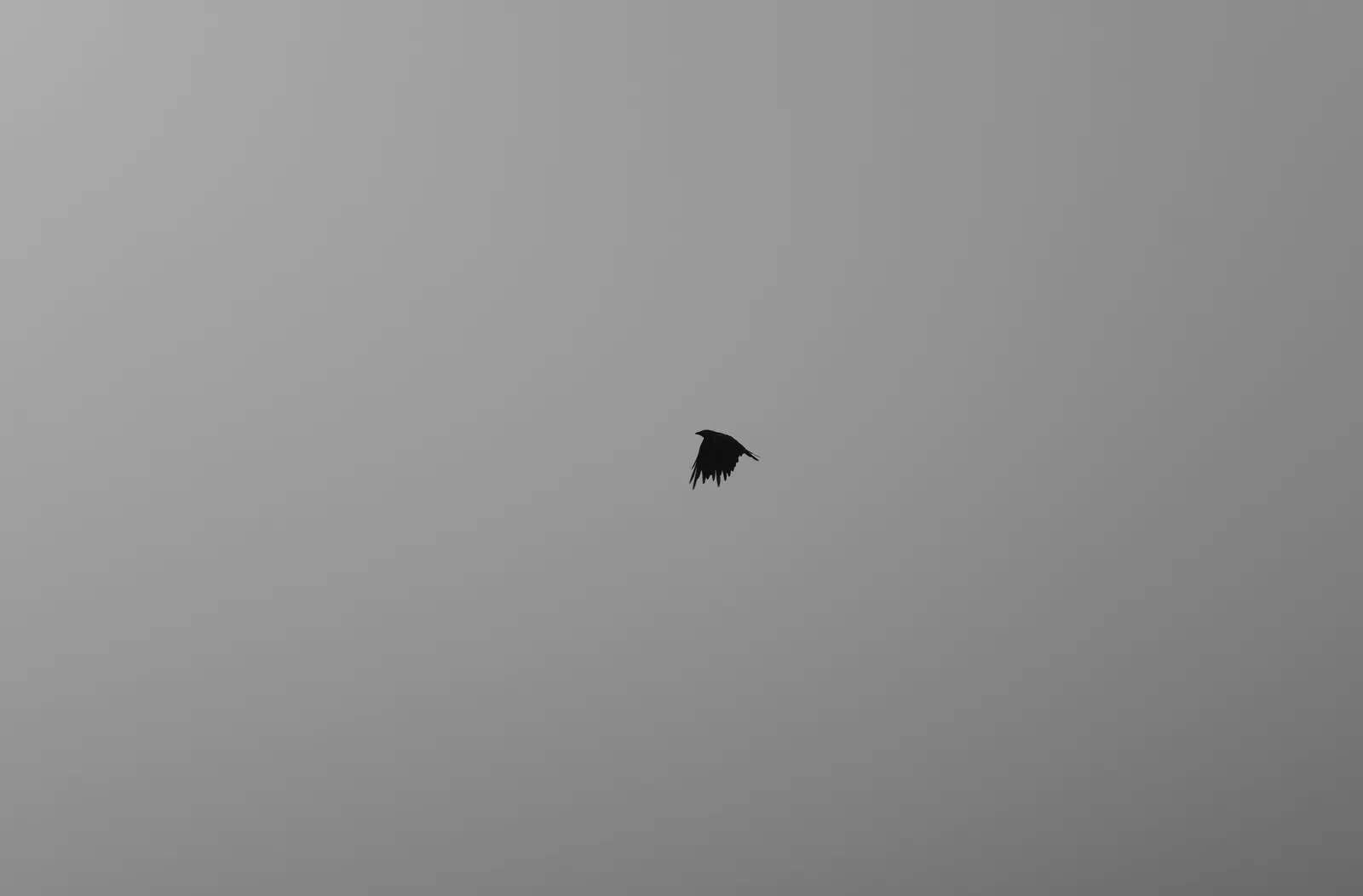
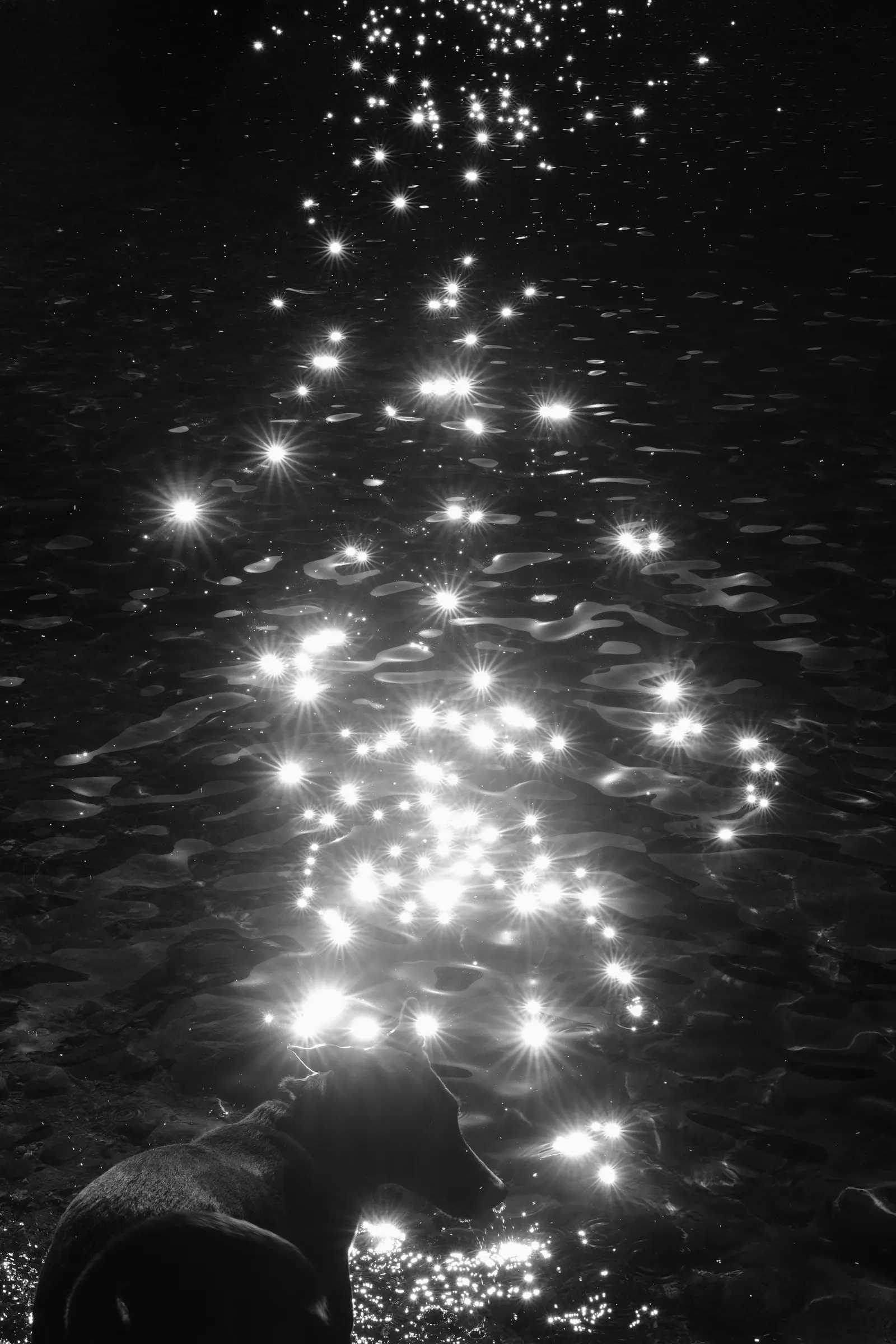
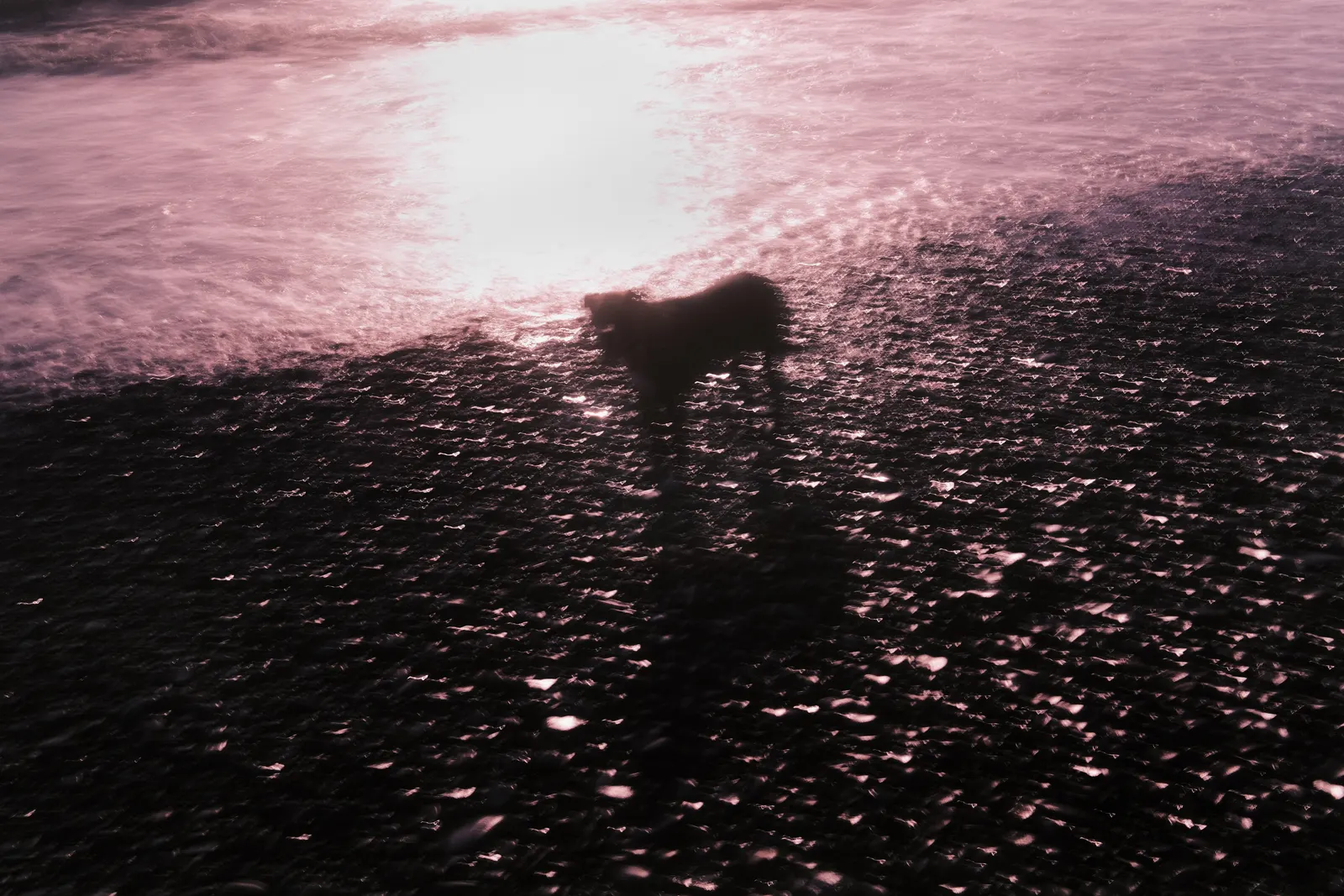
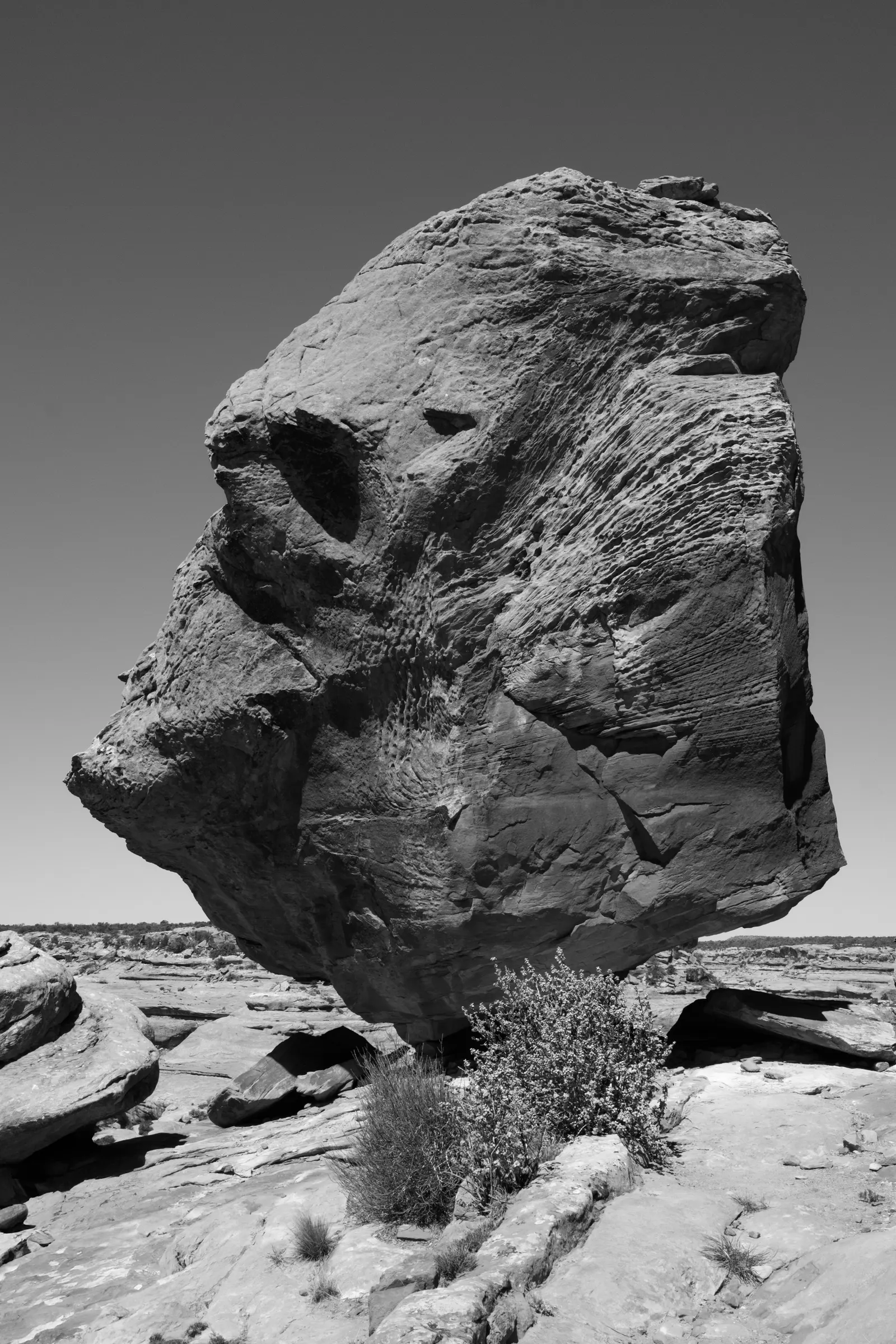
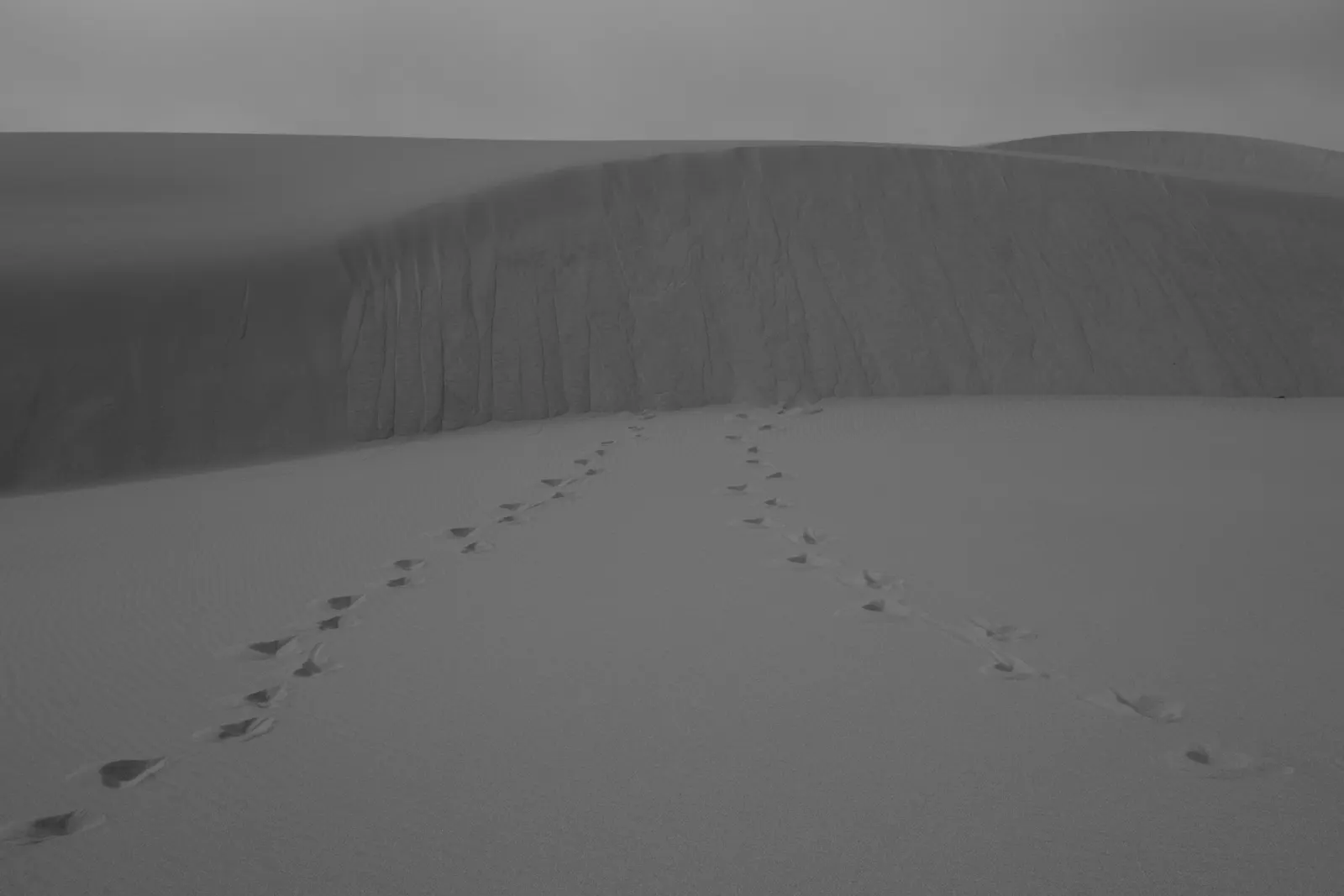
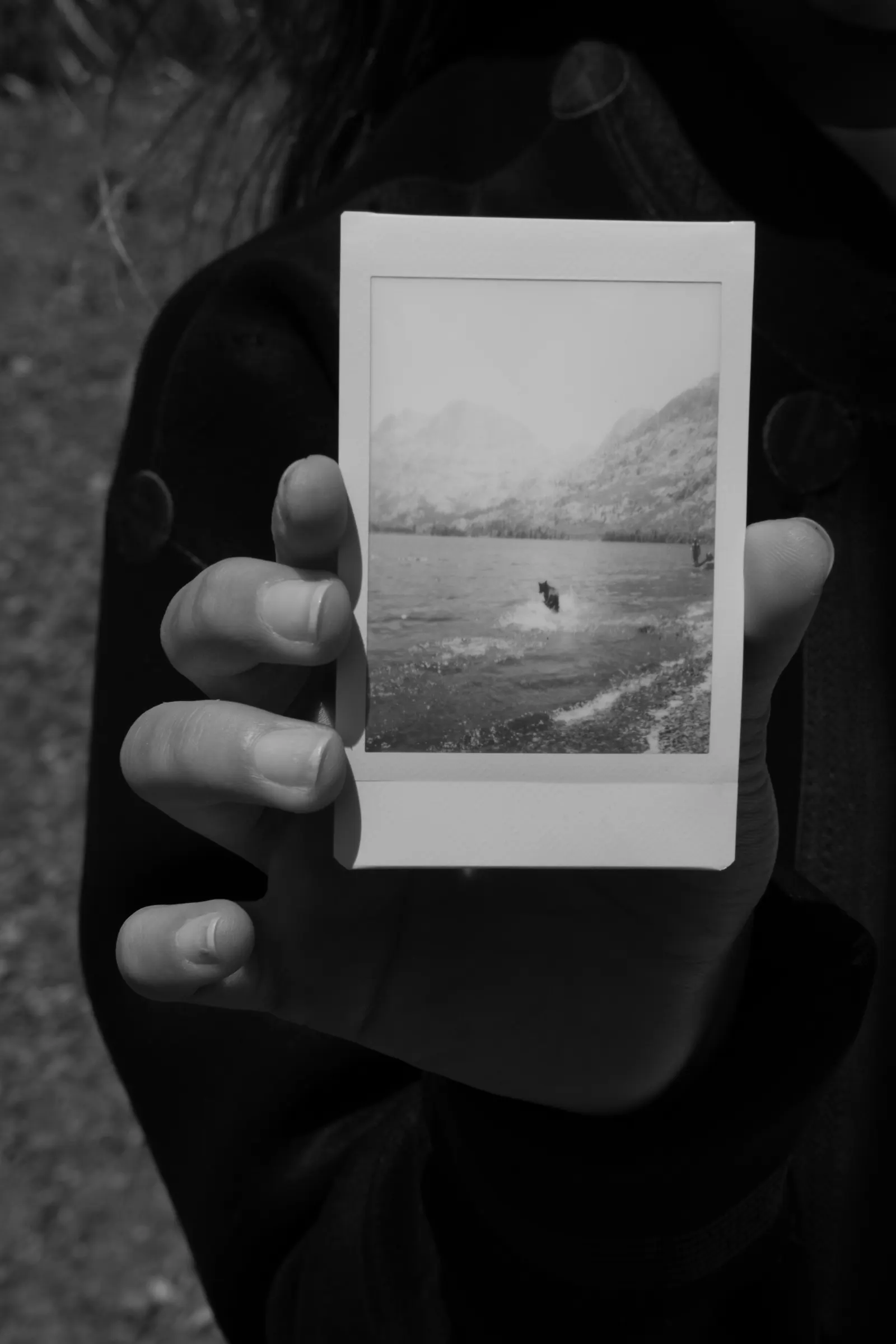
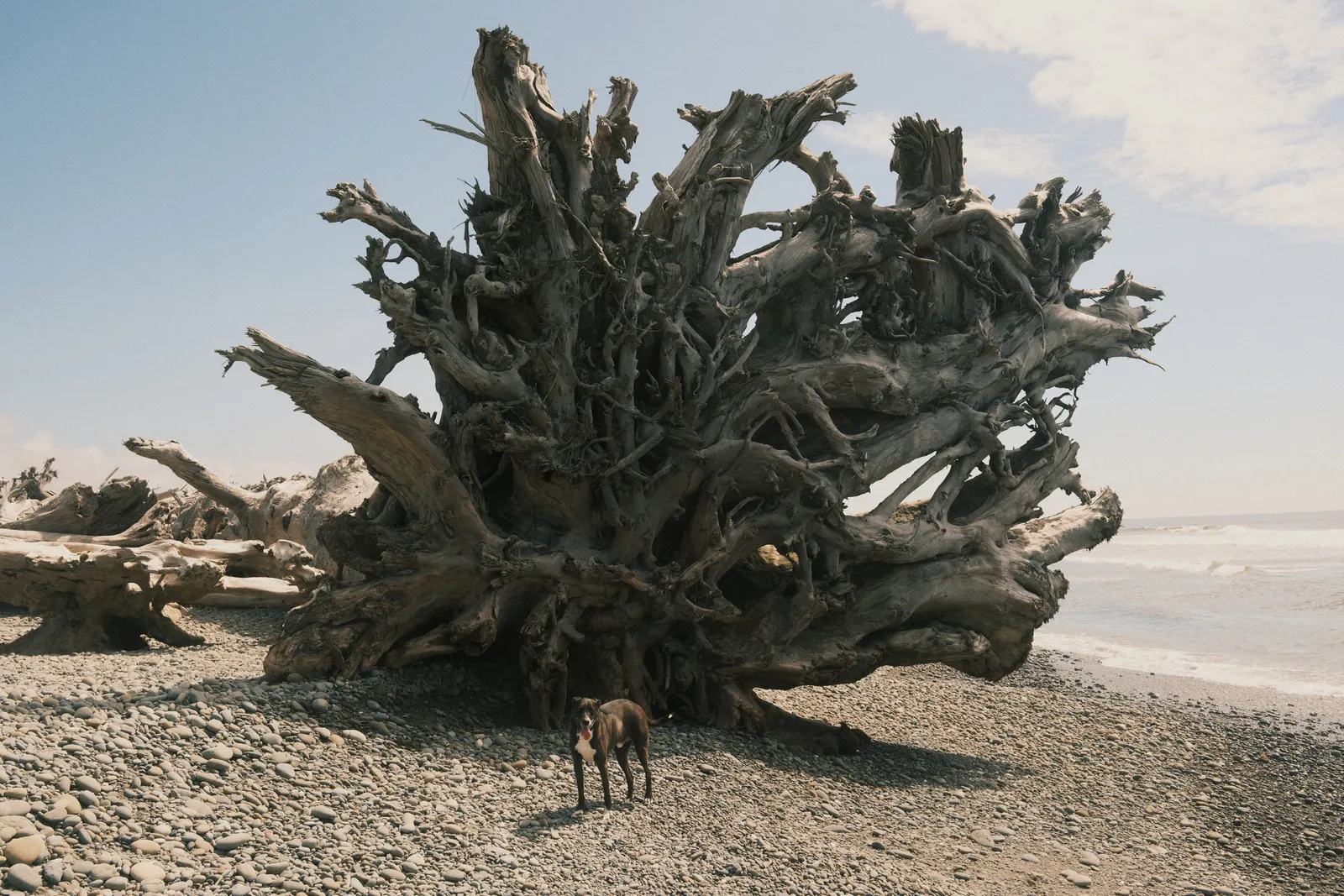
In 2021, Mario Lalau chose to leave the big cities. He adopted a van and the open road as his home, bound for remote places. A nomadic experience of interiorization, accompanied only by Cairu, his dog, who once wandered aimlessly through the streets of São Paulo. Cairu — “house of the sun” in Tupi —, when taken in by the photographer, taught him the freedom and awareness of existence that can be achieved through wandering. Cairu, the wandering dog, then became Cairu, the photobook.
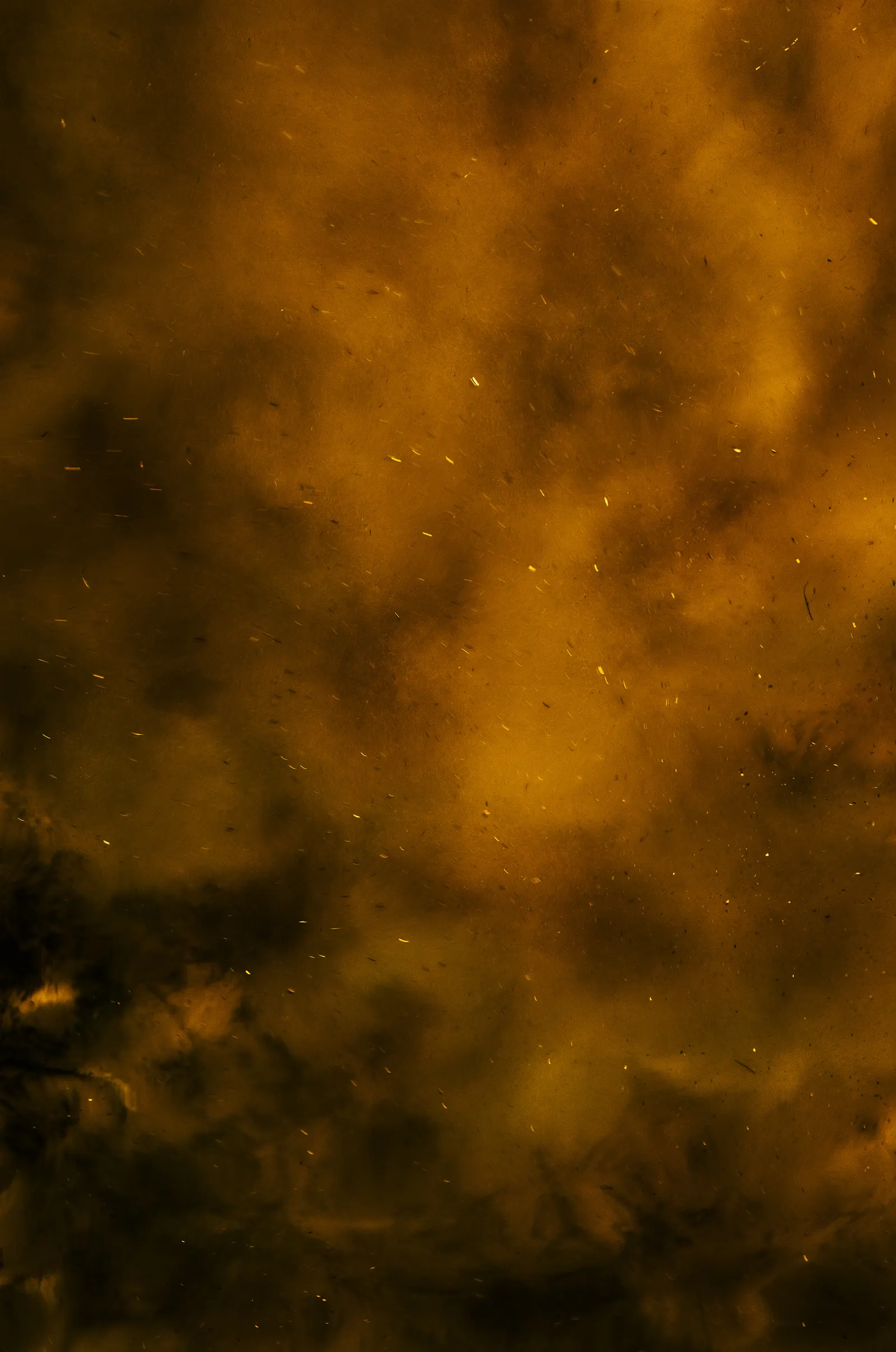
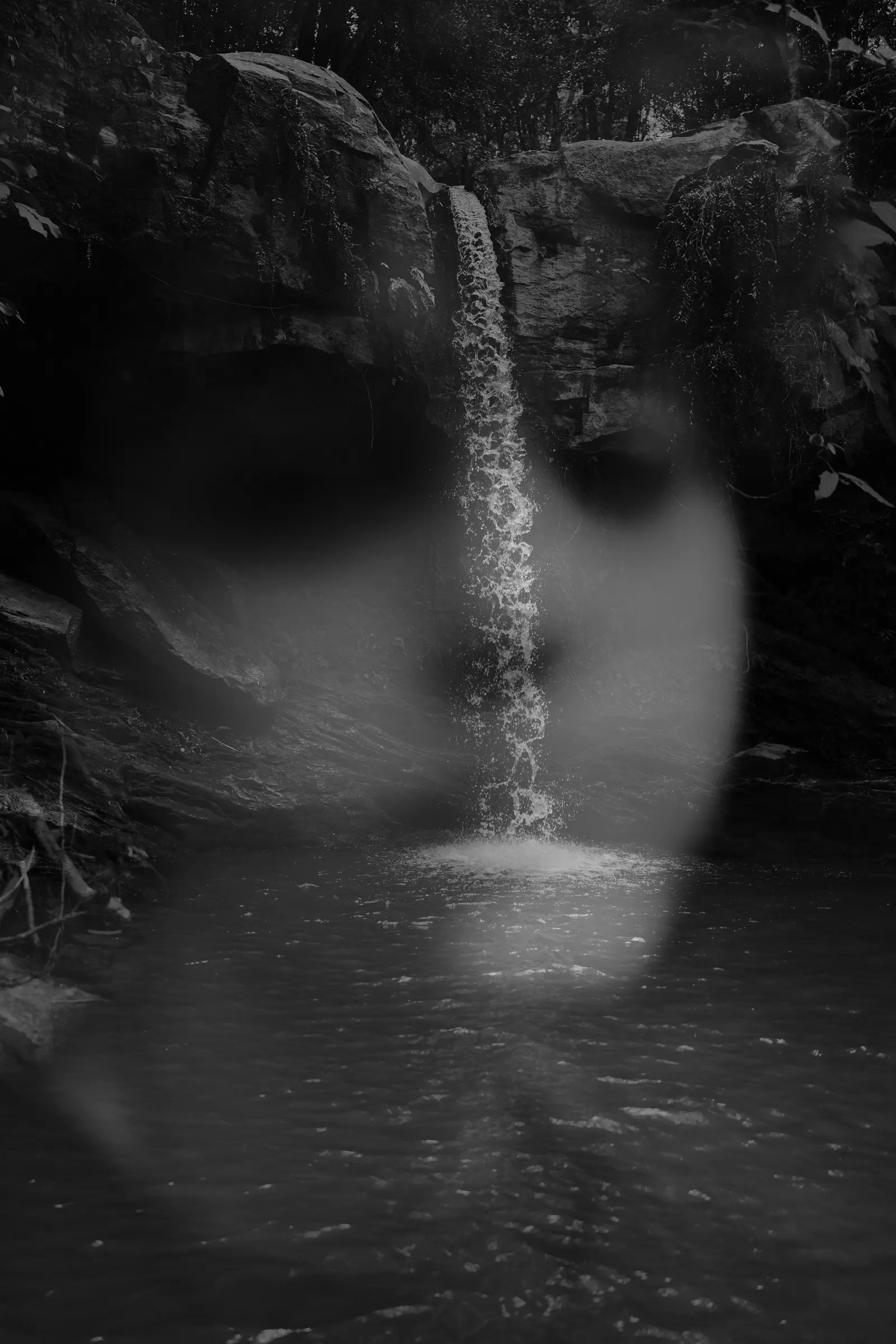
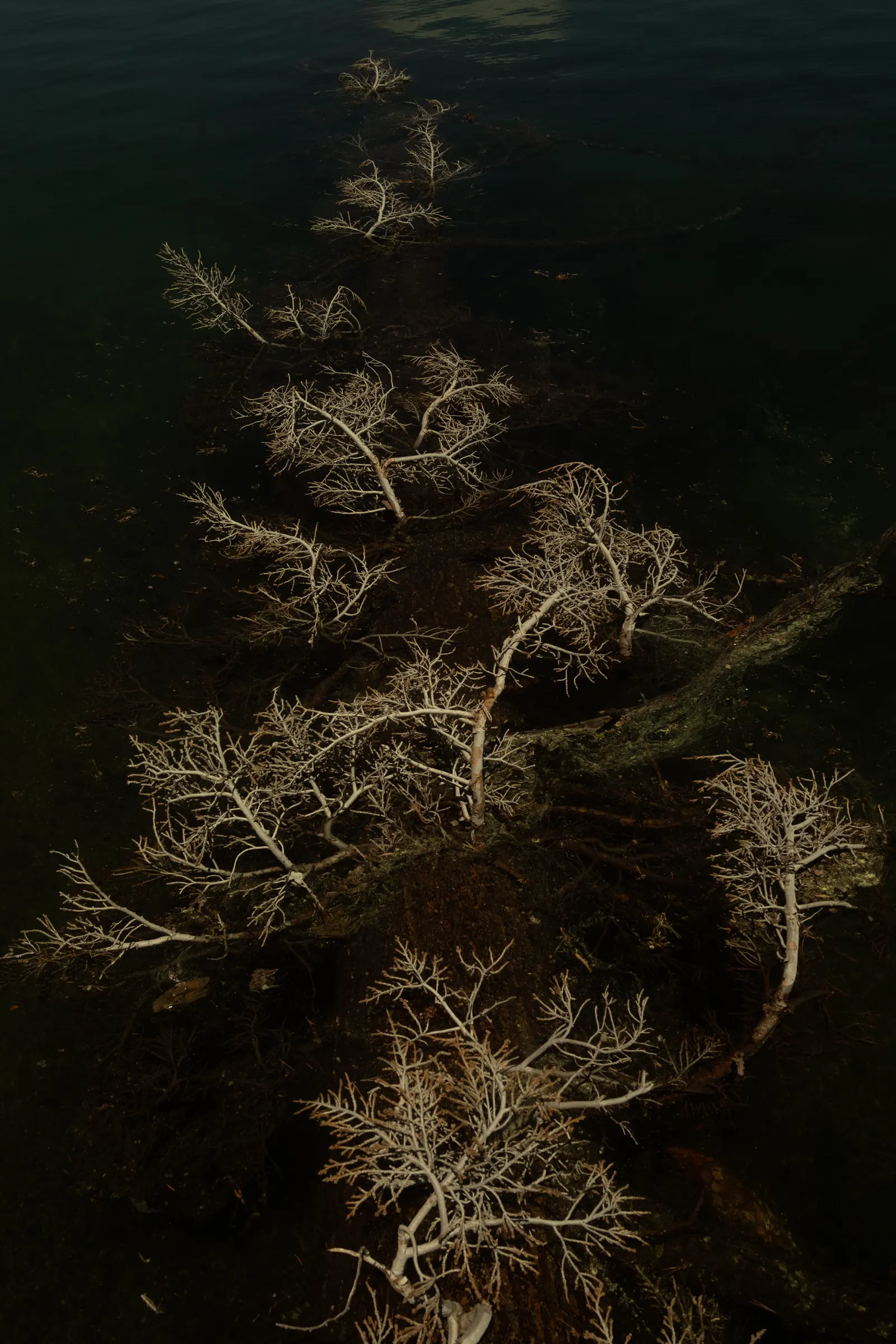
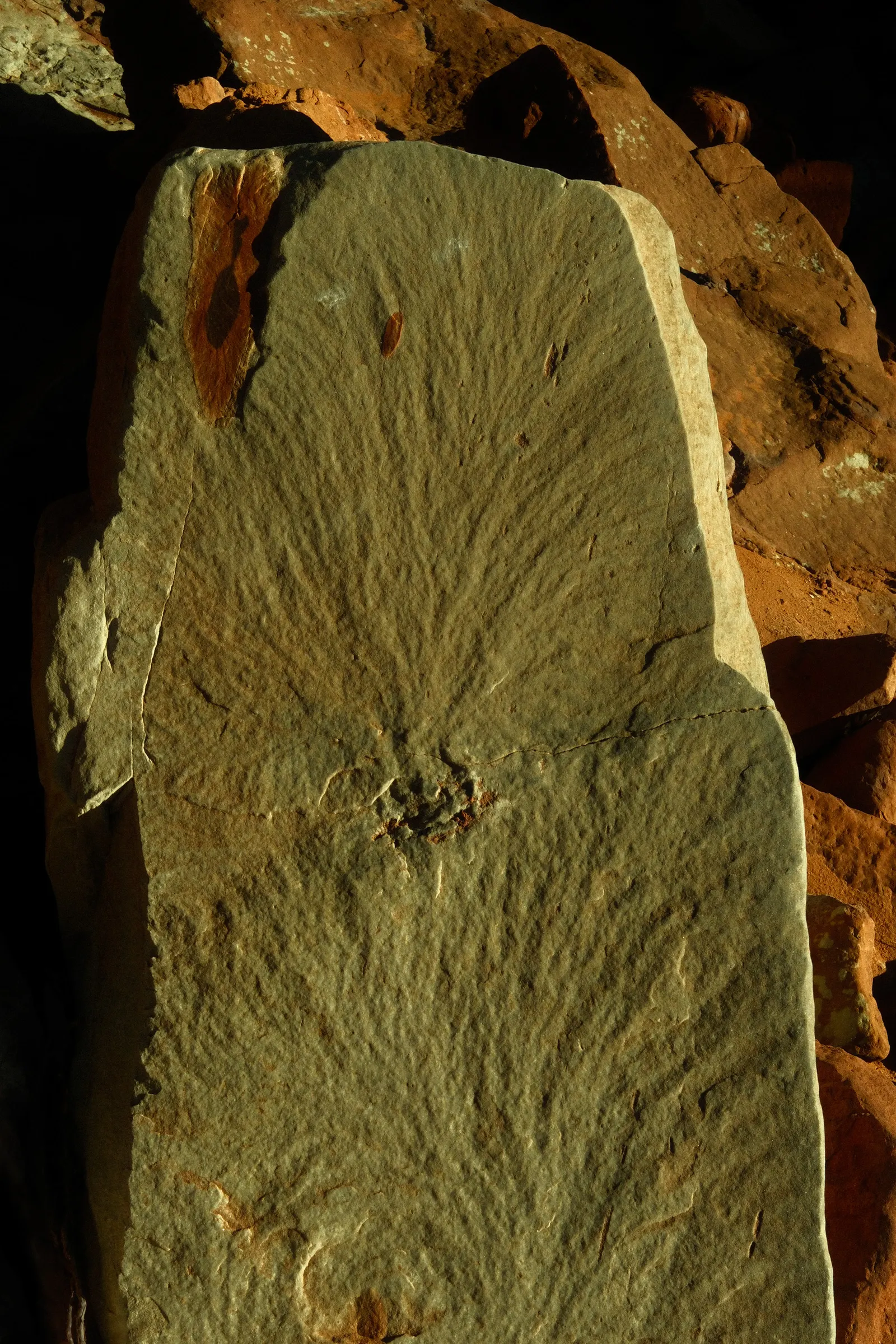
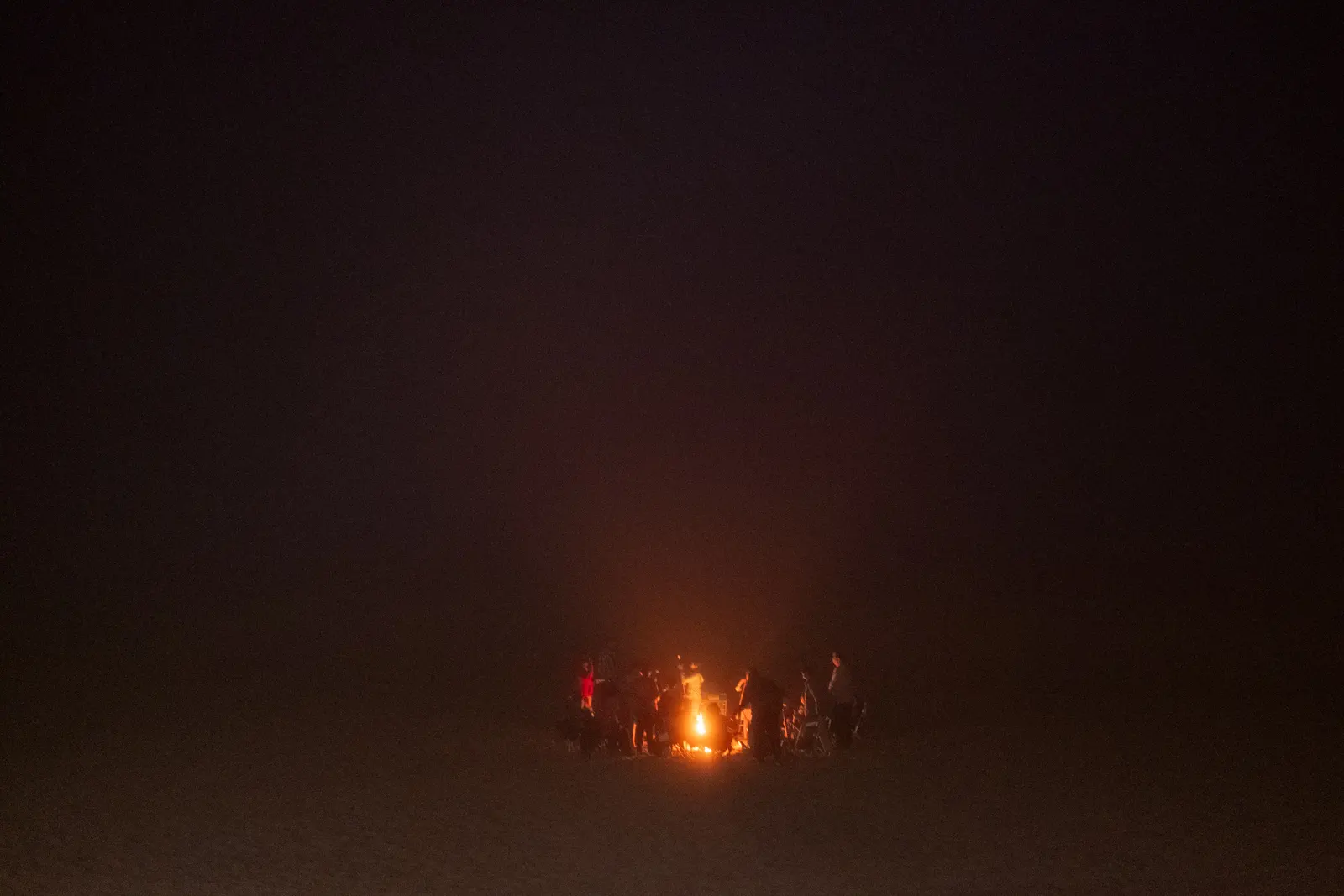
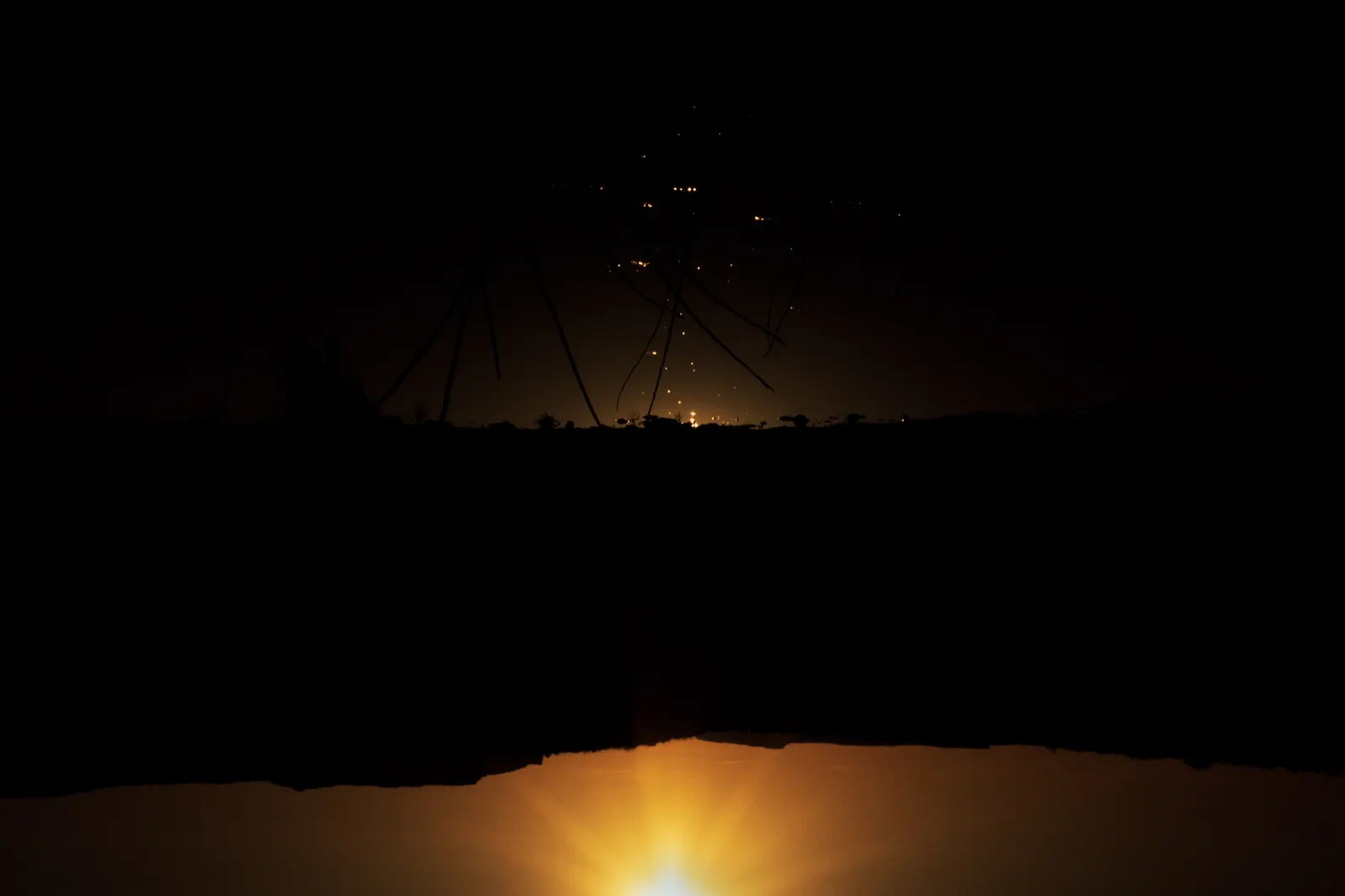
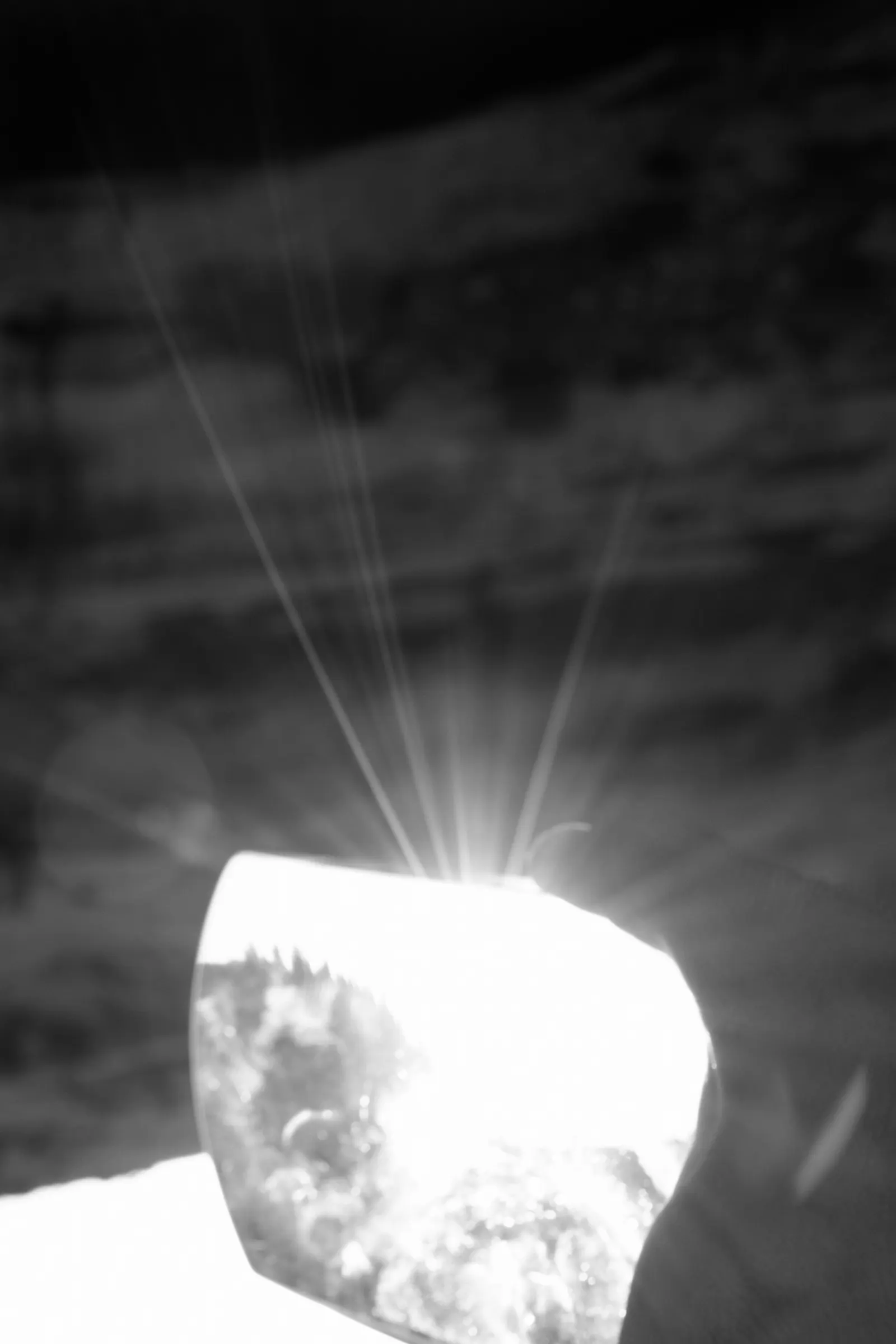
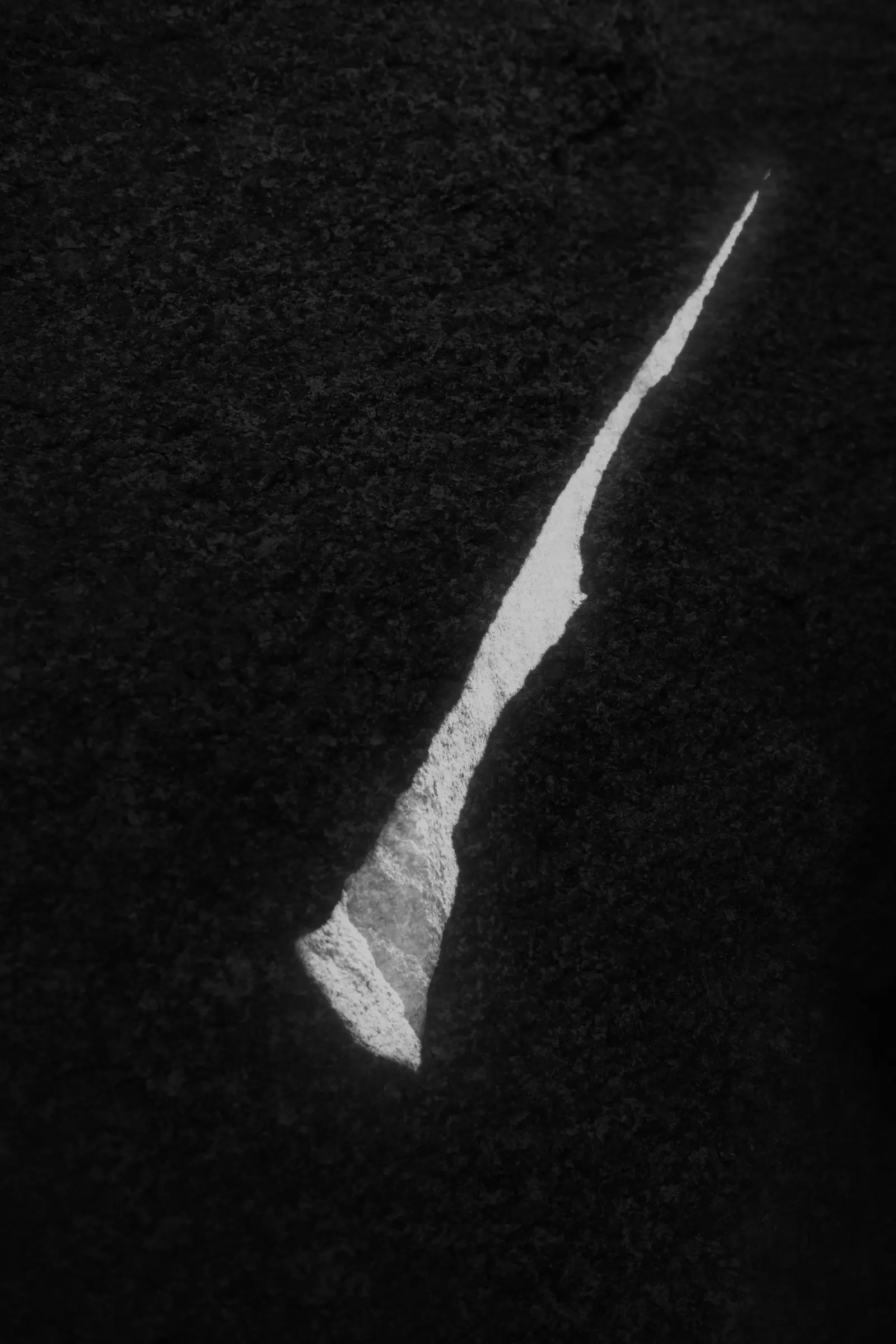
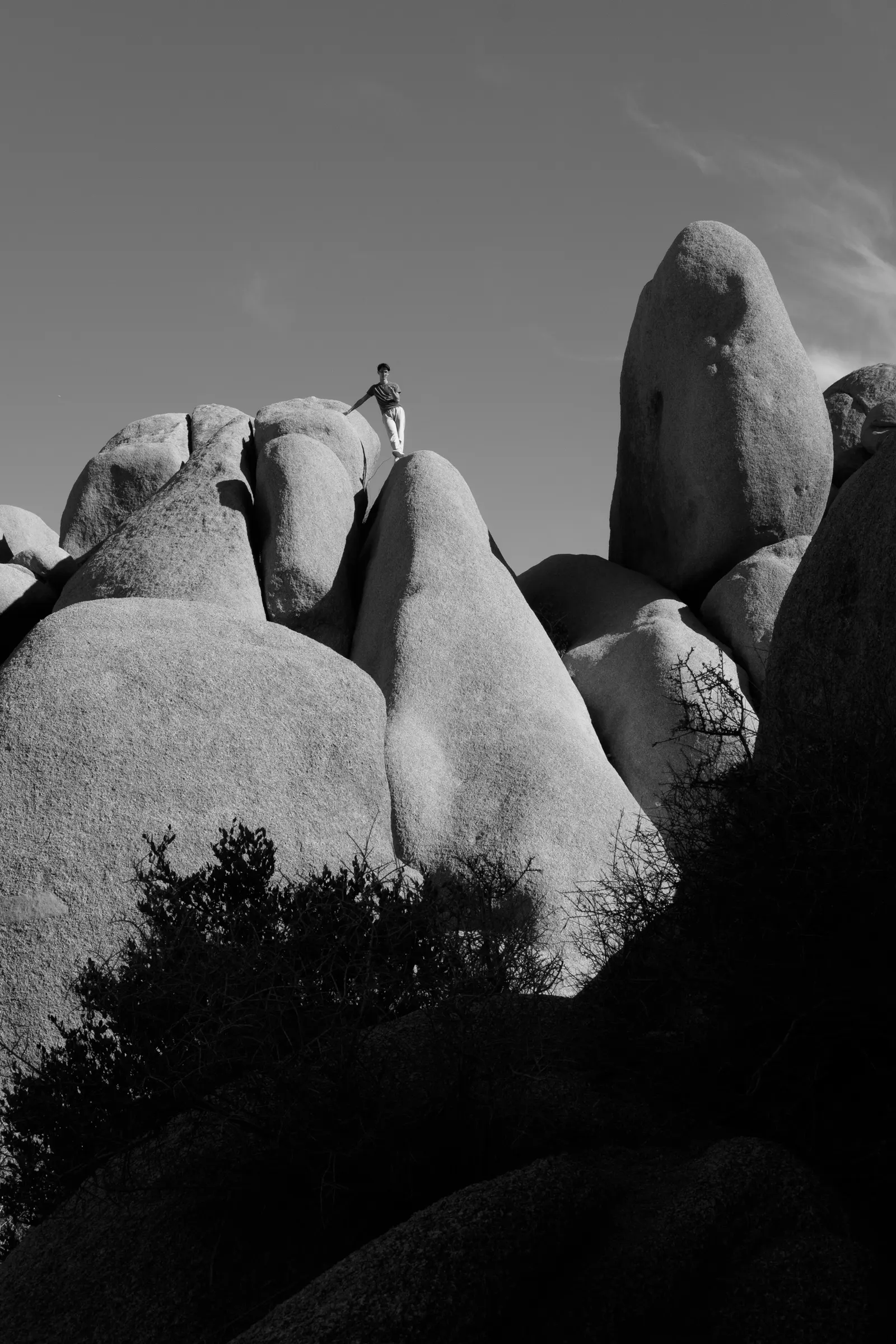
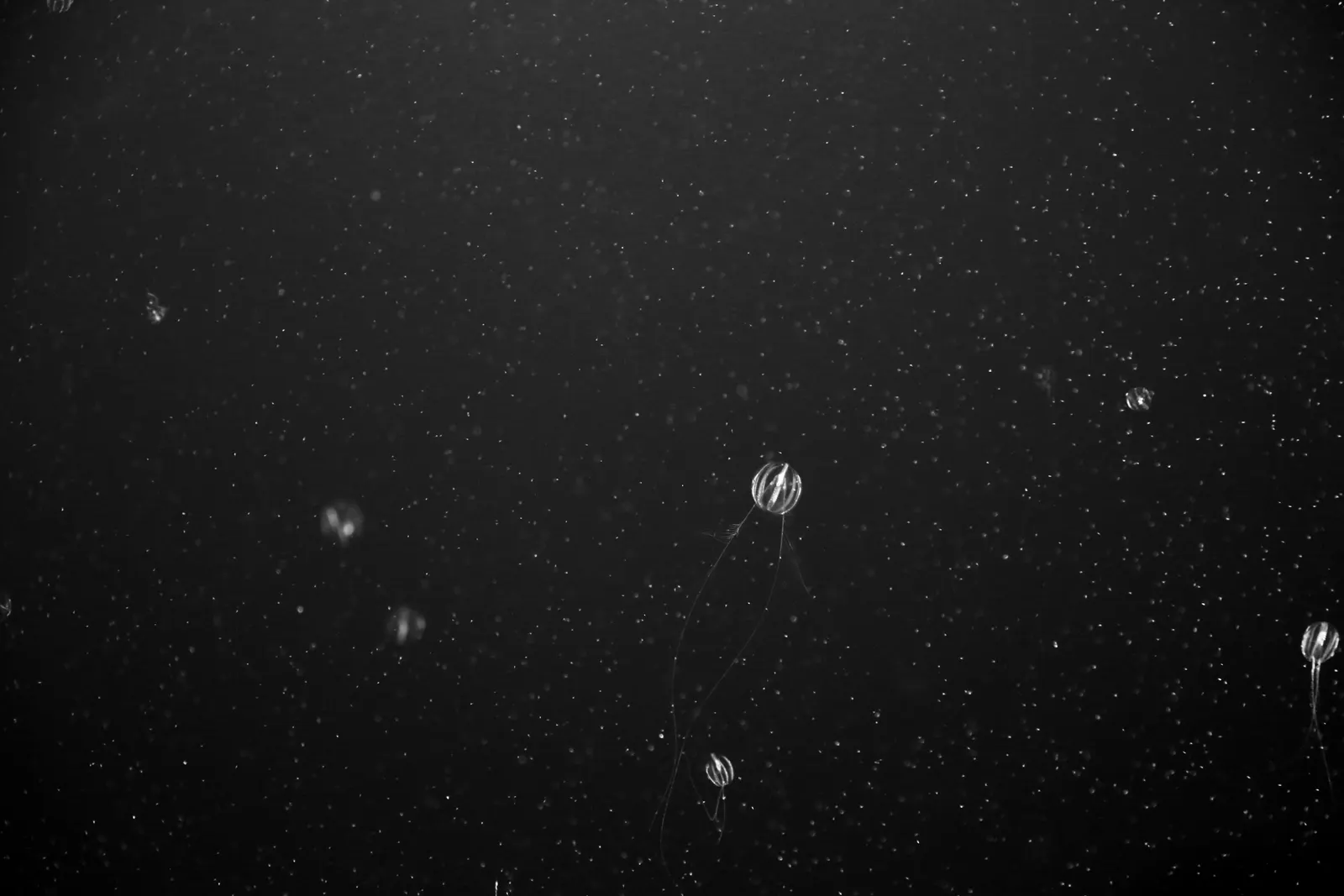
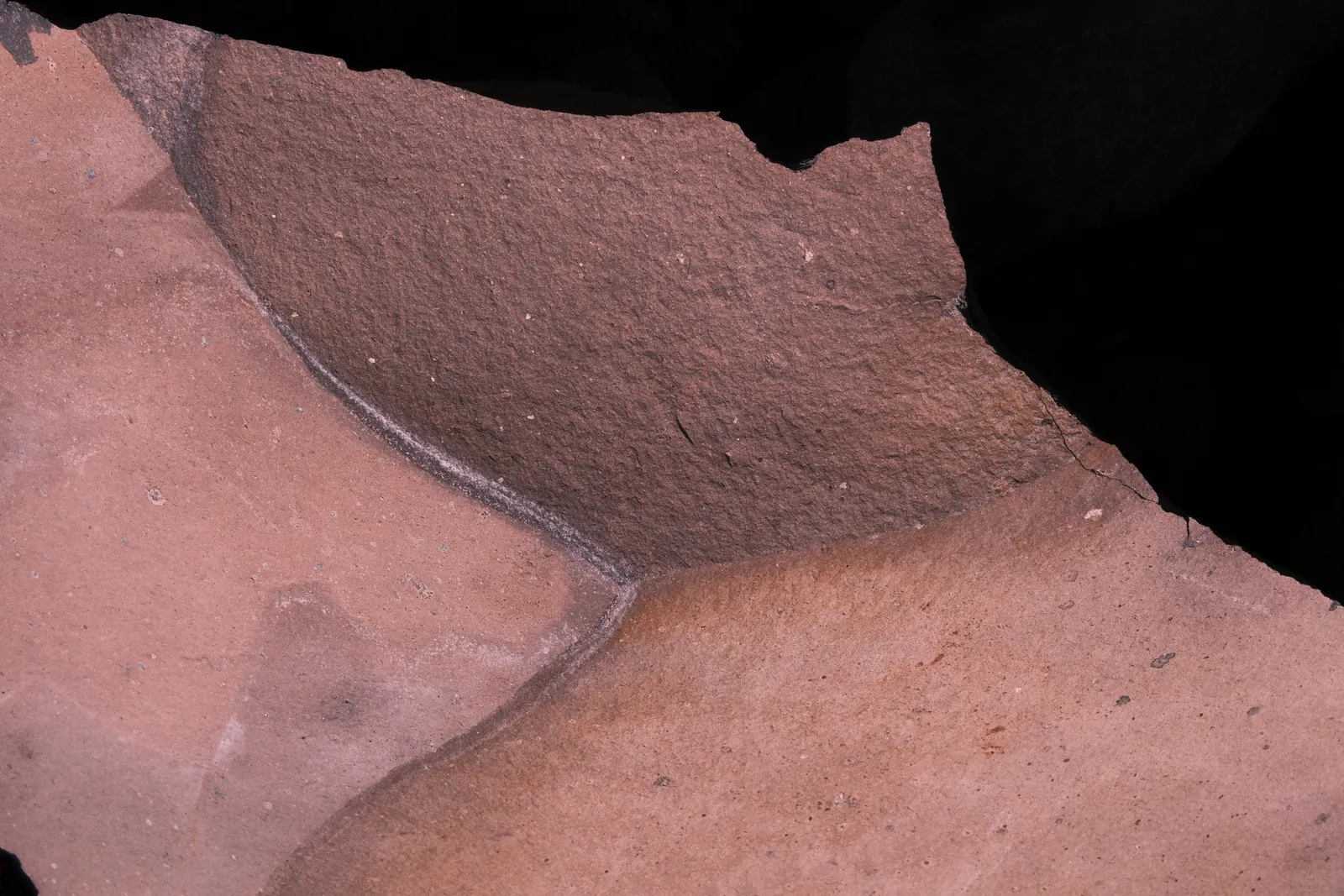
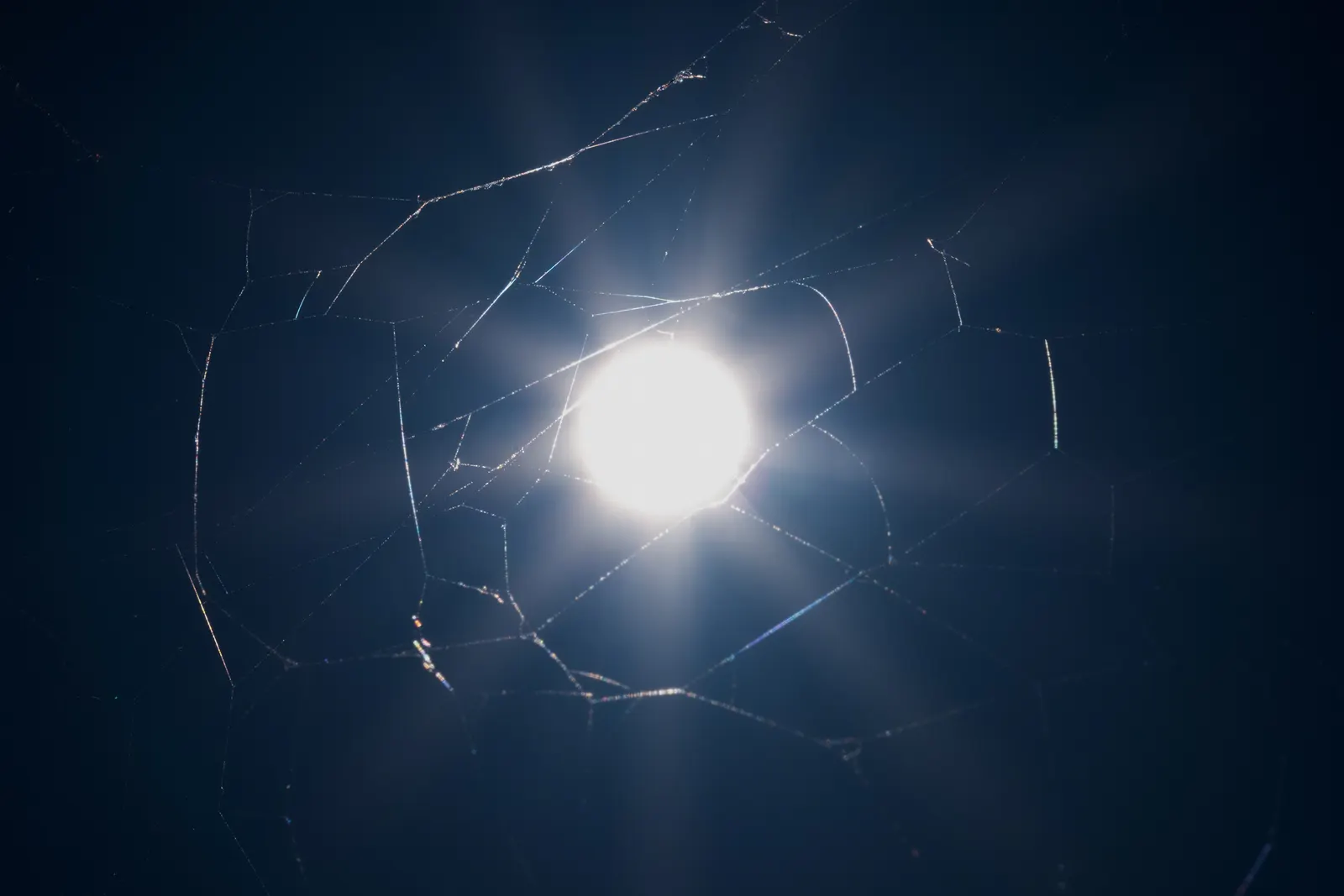
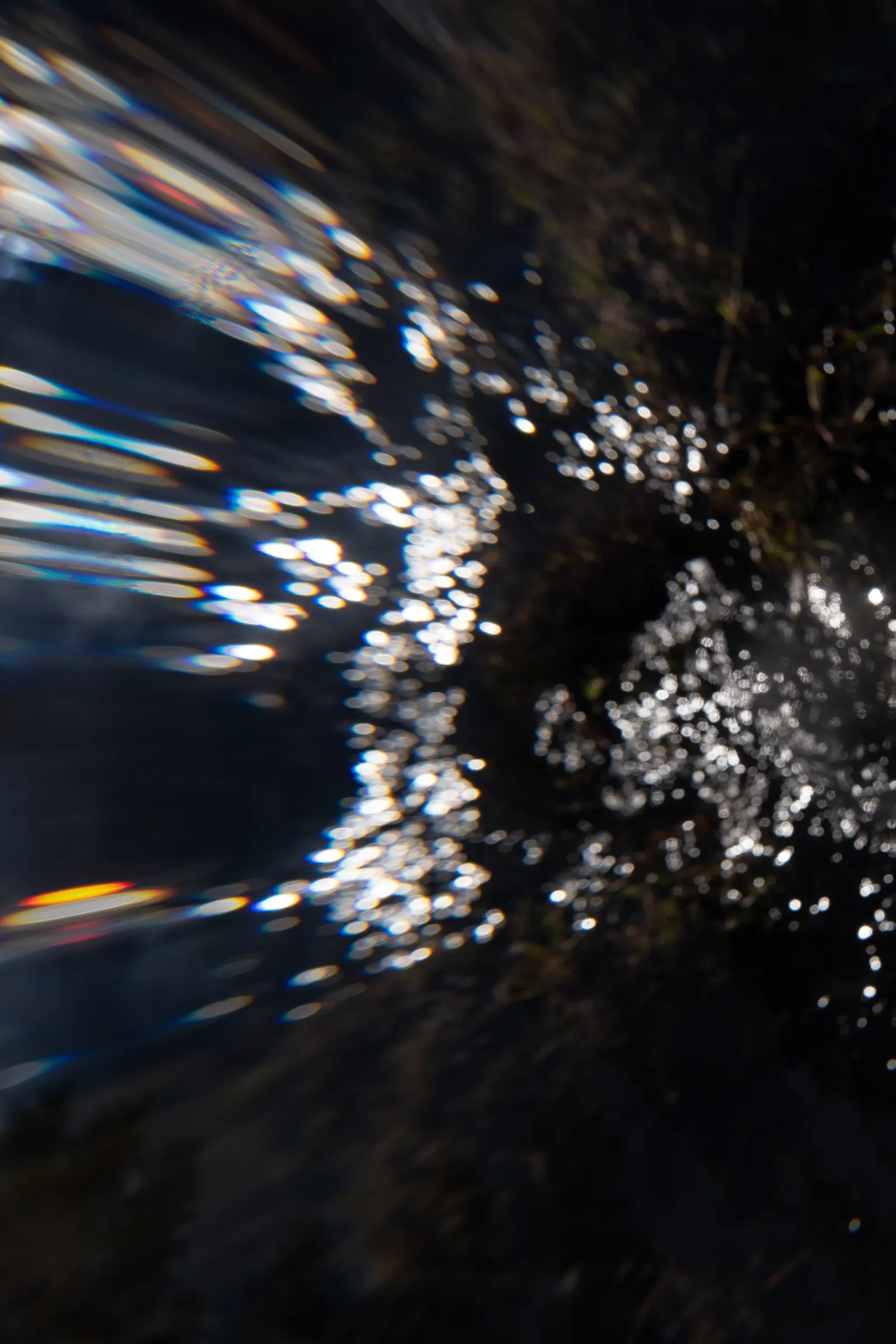
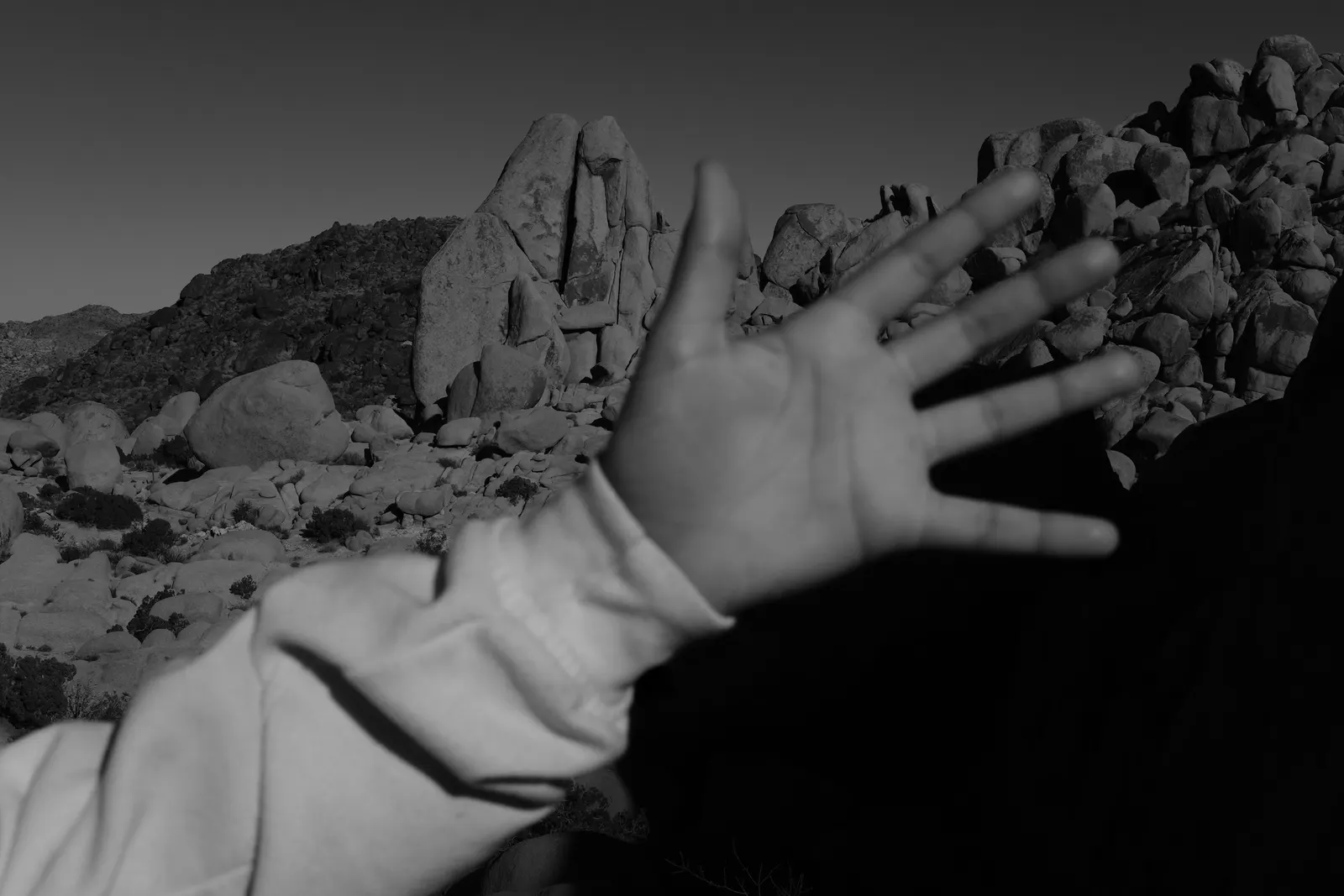
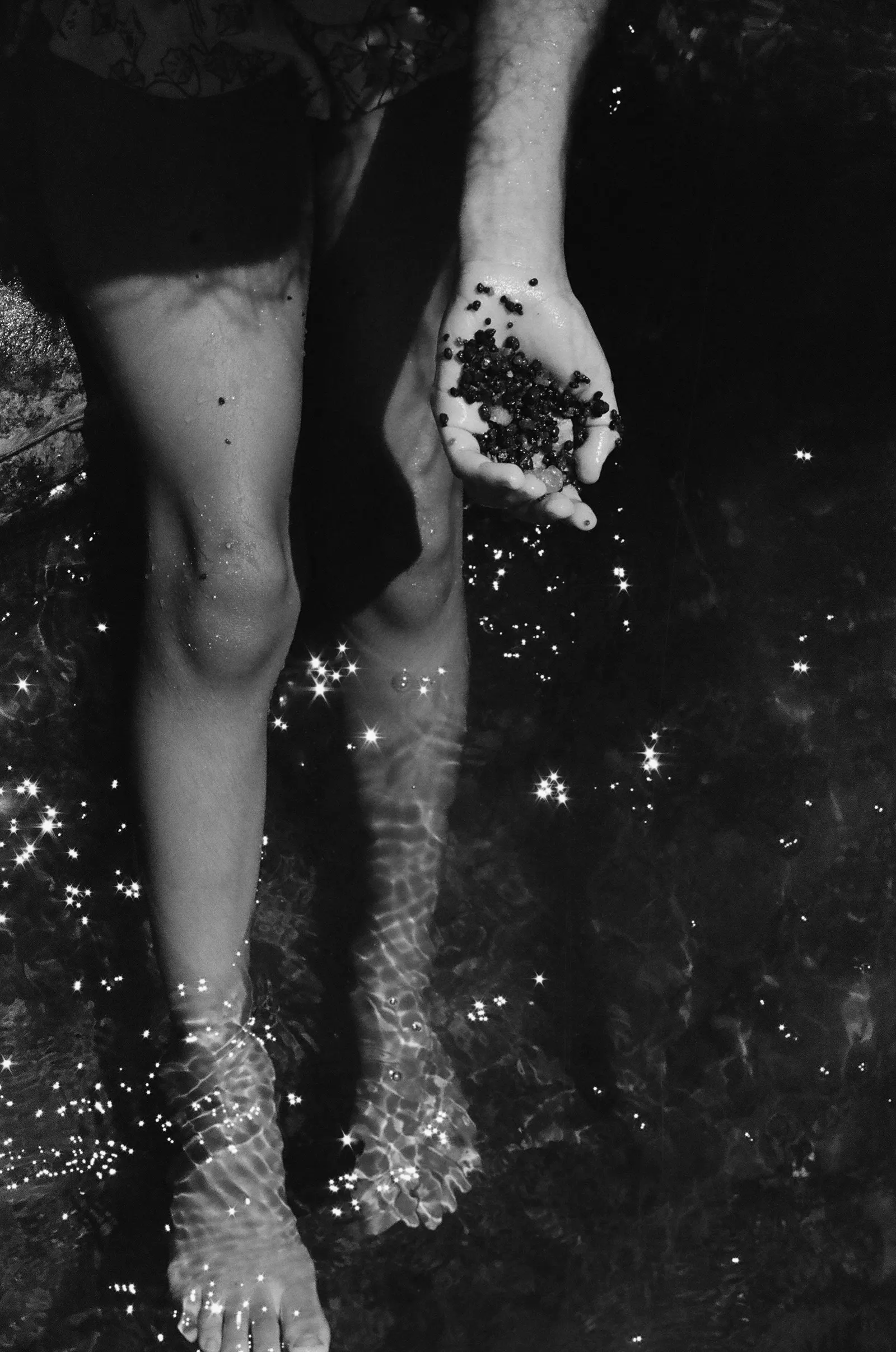
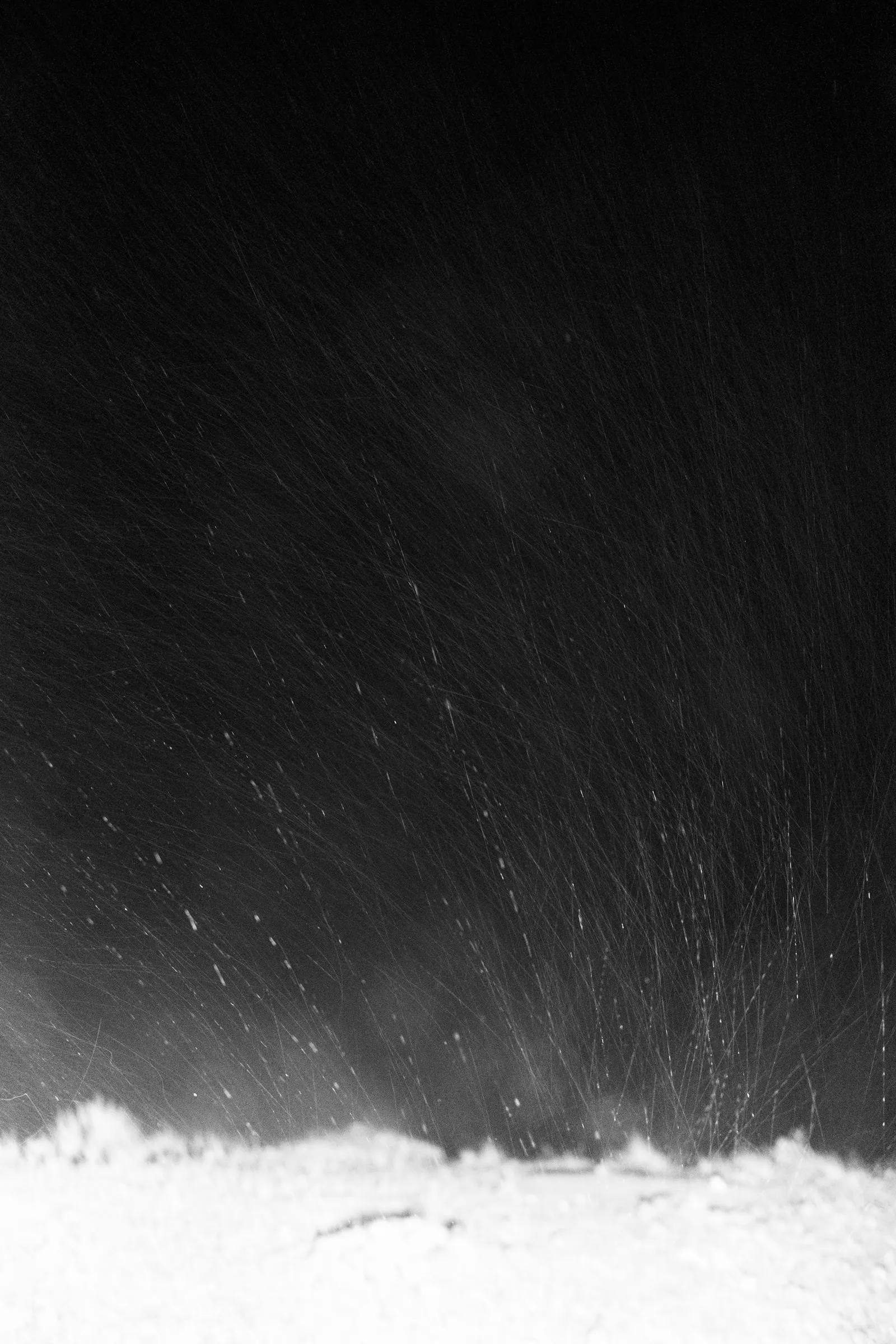
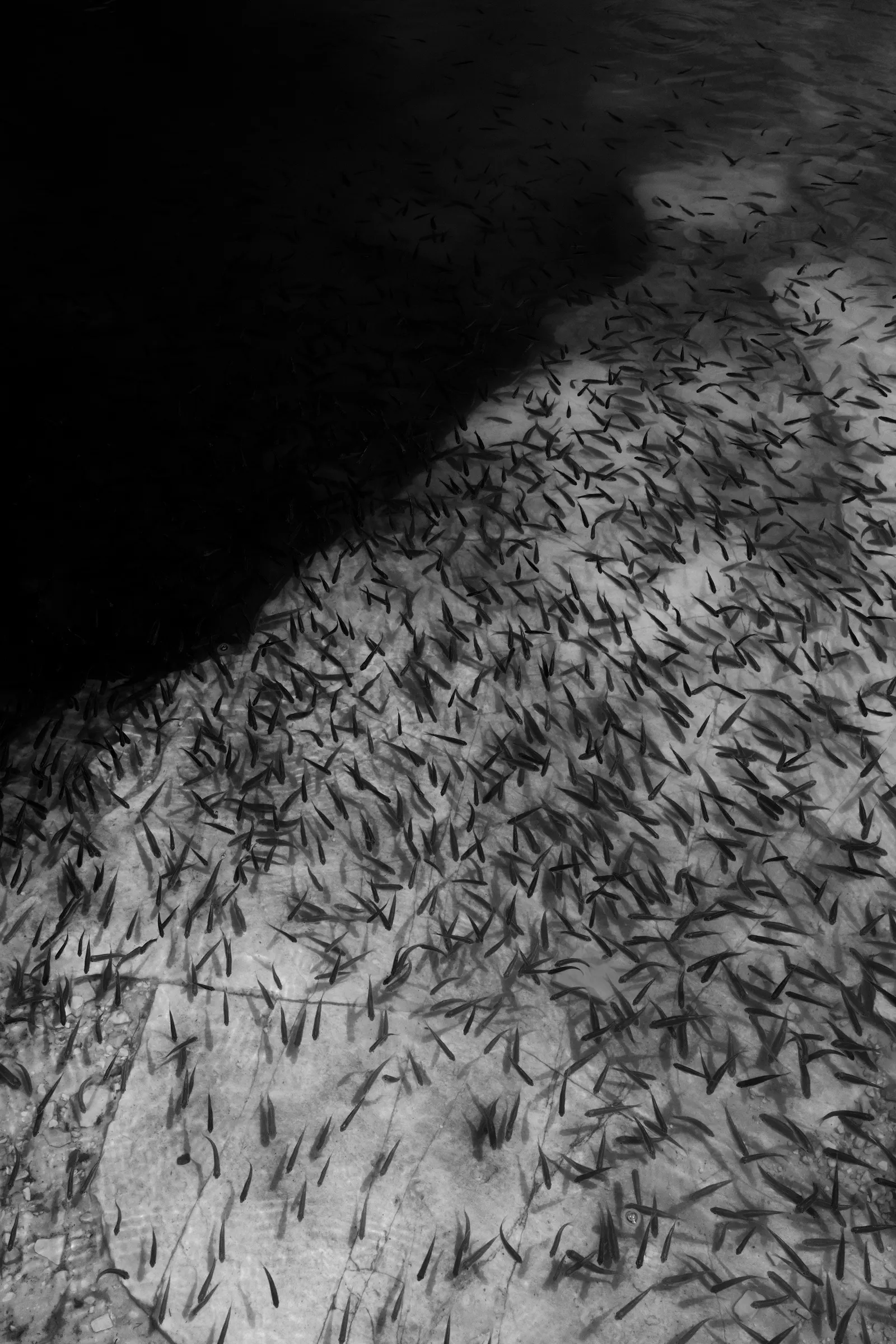
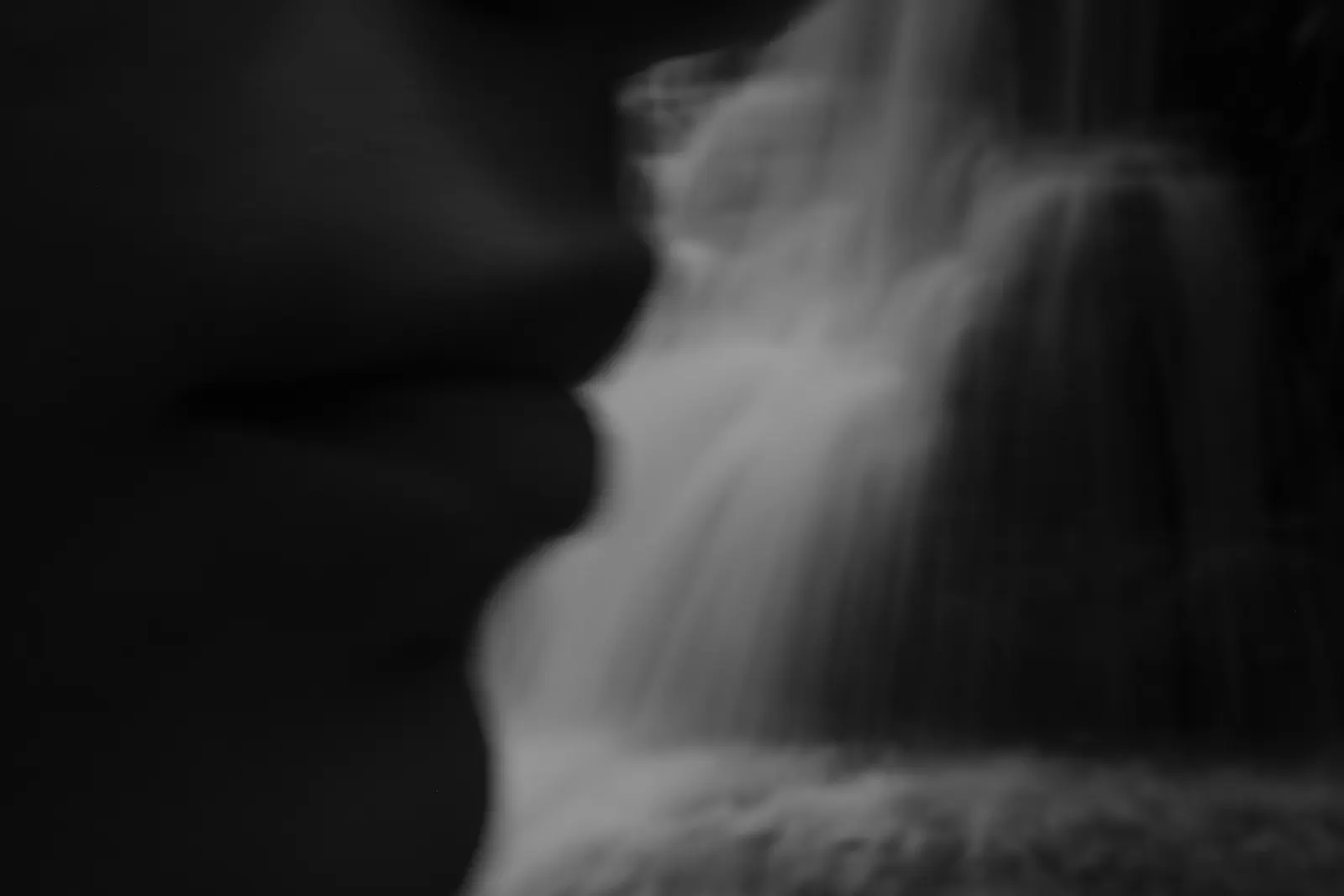
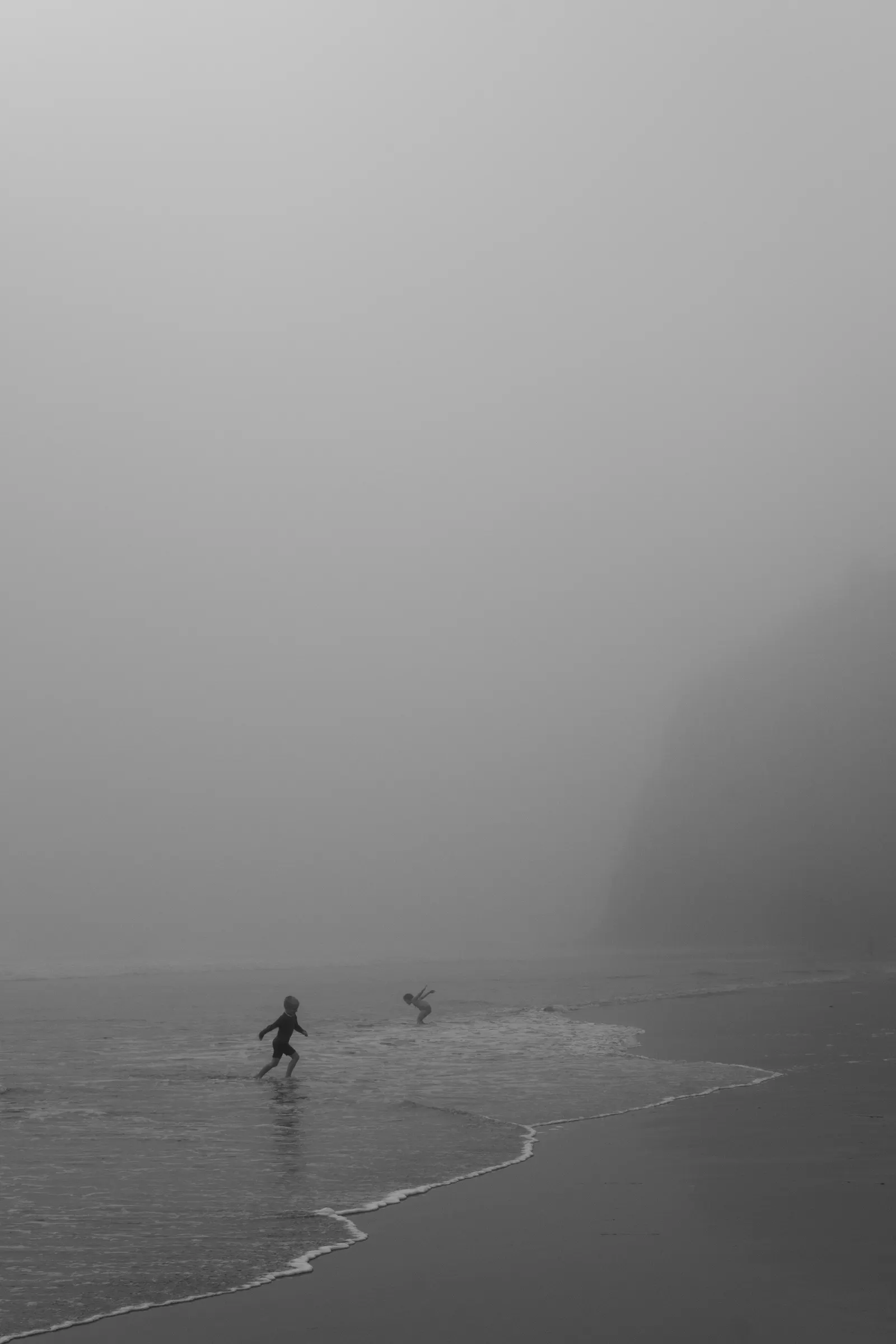
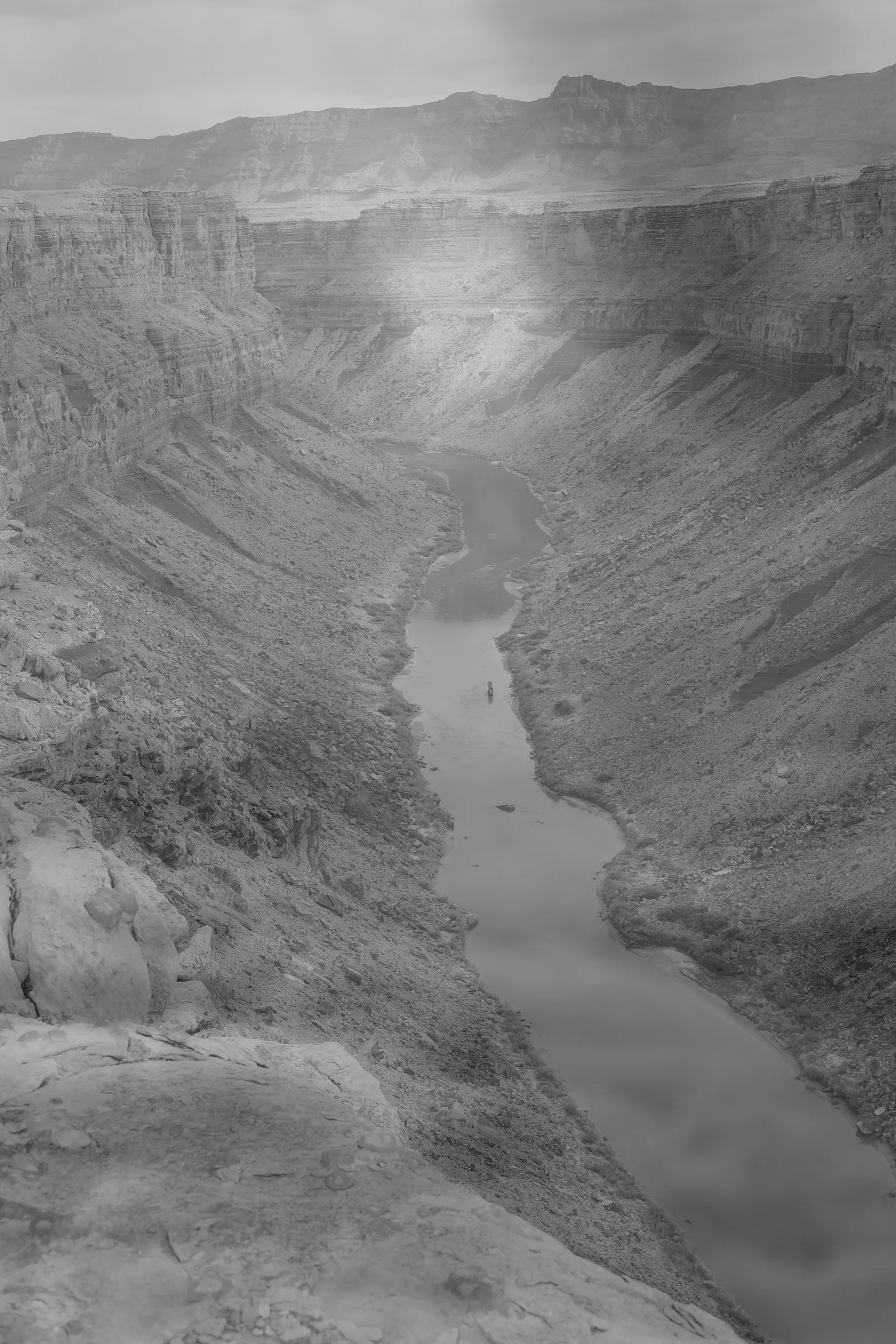
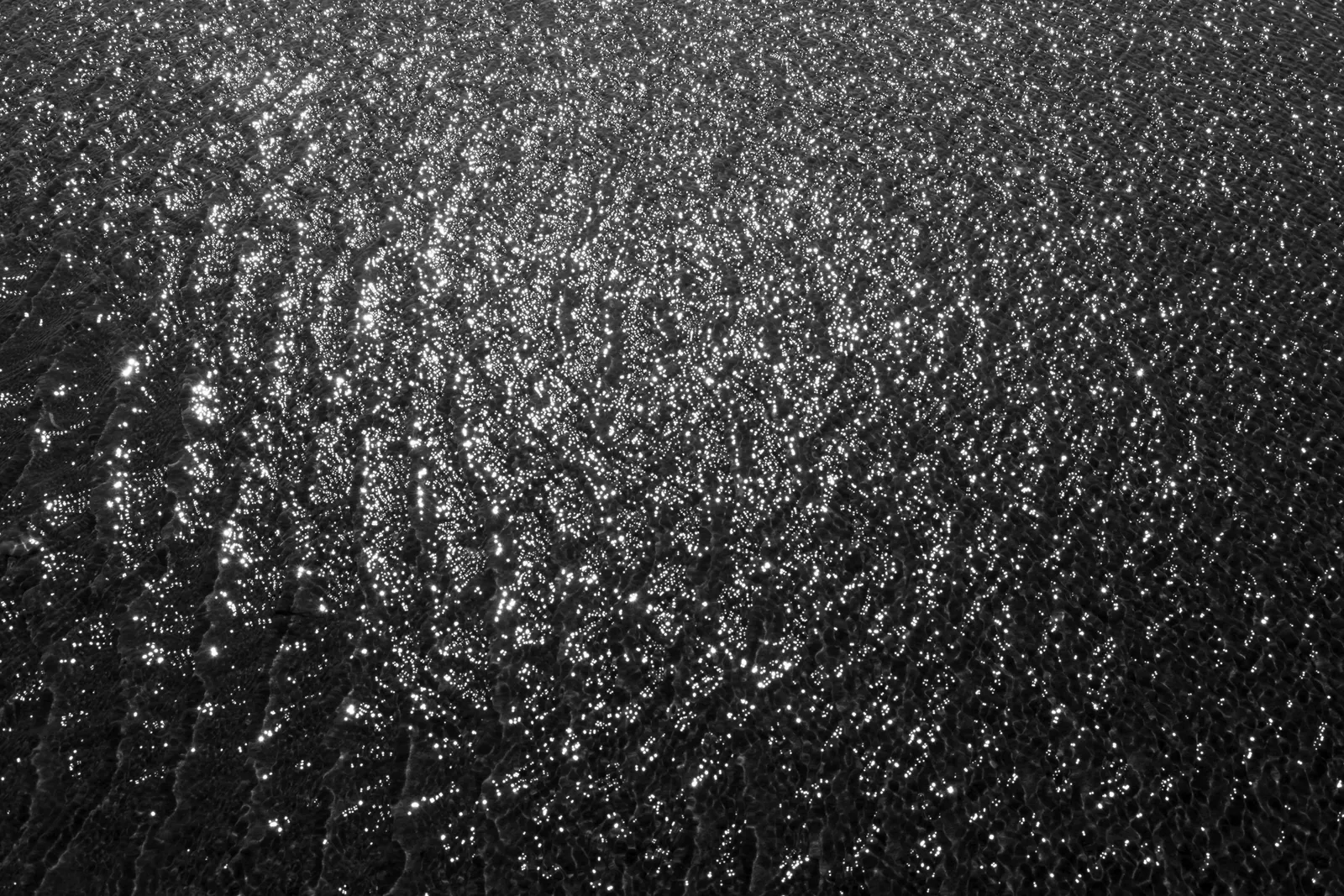
According to Mario Lalau, Cairu is the imagetic transcription of his inner crossing, seen as a transformative force within the experience of living. Seeking recognition of the sacred in nature, it proposes an essential return to other ways of seeing, feeling, and knowing worlds, inspired by the cosmovisions, knowledge and mythologies of ancestral peoples.
To exist: at the destination, will we reencounter the beginning?